NeighbourhoodJordaan
Cultural Heritage
Amsterdam Tulip Museum
Explore the captivating journey of the Netherlands' most famous flower, from its wild origins in the East to the speculative frenzy of the 17th century.

Best forHistory buffs and garden enthusiasts
Plan for45–60 minutes
Worth knowingLocated directly across the canal from the Anne Frank House.
The Story of the Tulip
A Quaint Canal House Experience
The Amsterdam Tulip Museum is an intimate cultural institution located in a traditional canal house along the Prinsengracht. Unlike the sprawling flower fields found outside the city, this museum focuses on the historical and cultural narrative of the tulip. It provides a detailed look at how a single flower species became inextricably linked with Dutch national identity.
Visitors move through a series of well-curated rooms that blend historical artifacts with modern multimedia displays. The museum is designed to be accessible and engaging for all ages, offering a quiet retreat from the busier tourist hubs nearby while providing deep context for the floral displays seen throughout the city.
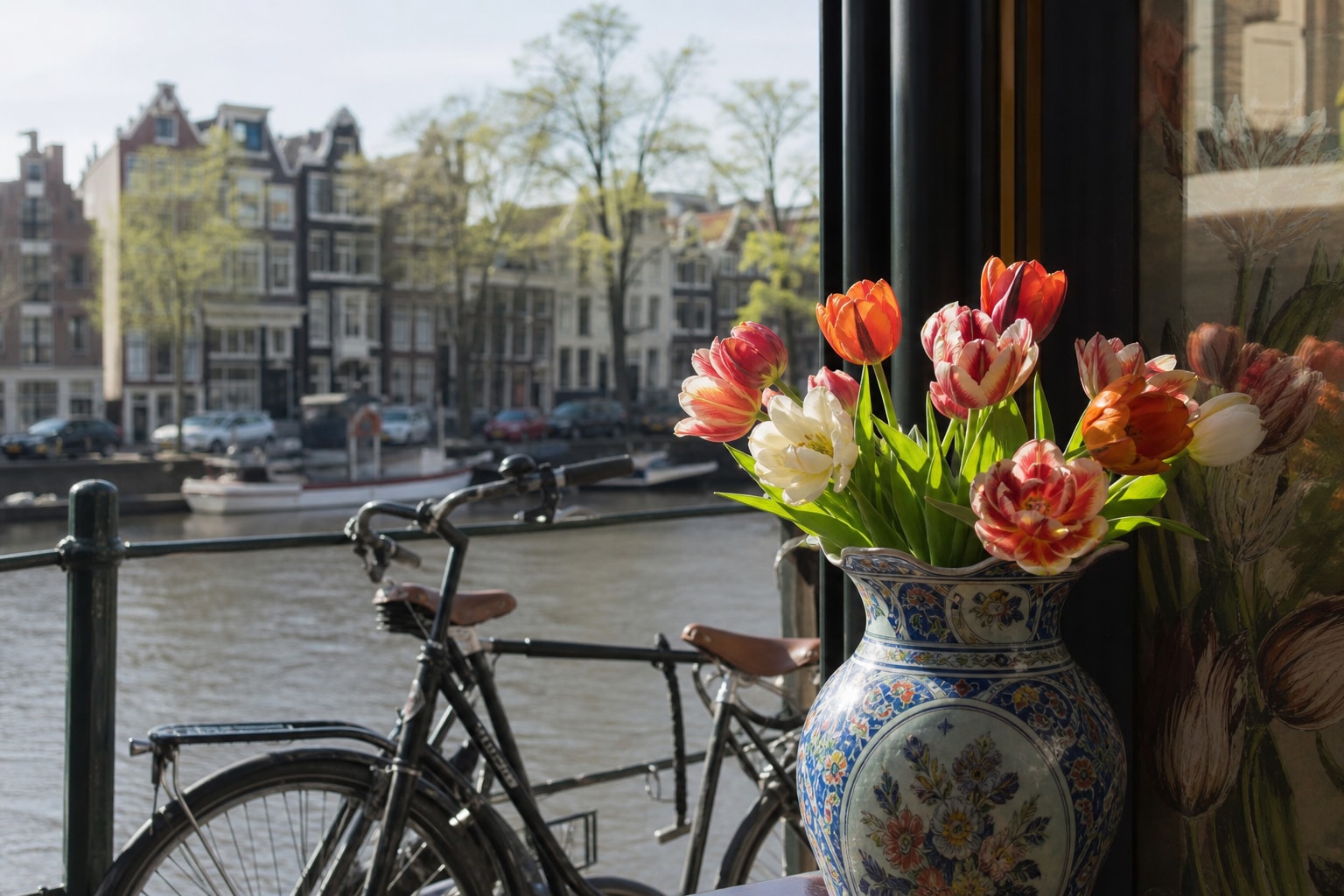
Golden Age Speculation
From Central Asia to Tulip Mania
The tulip's history in the Netherlands began in the 16th century when bulbs were first imported from the Ottoman Empire. The flower quickly became a status symbol among the Dutch elite, leading to the infamous period known as 'Tulip Mania' in the 1630s. During this time, the price of rare bulbs skyrocketed to levels exceeding the cost of a canal house, creating one of the world's first recorded speculative bubbles.
After the crash of the tulip market, the Dutch did not lose their affinity for the flower. Instead, they professionalized its cultivation. The museum documents this transition from luxury curiosity to a massive global industry, showcasing how the Netherlands became the world's leading exporter of bulbs and cut flowers.
What to See
Museum Highlights
Economics
Tulip Mania Exhibits
Learn about the 17th-century economic bubble where single bulbs were traded for fortunes before the market eventually collapsed.
Horticulture
Modern Cultivation
Discover the science and technology behind how the Netherlands maintains its position as the global leader in the flower trade today.
Shopping
The Museum Shop
Browse a specialized collection of tulip-themed gifts, rare bulbs available for seasonal planting, and unique Dutch ceramics.
Visitor Flow
When to Visit
Morning
Quiet Exploration
Arrive shortly after opening at 10:00 to enjoy the exhibits before the midday crowds arrive in the Jordaan district.
Afternoon
Combined Itinerary
The museum is a perfect follow-up to a visit to the Anne Frank House or the Westerkerk, both located just steps away.
Spring
Peak Season
While the museum is open year-round, visiting during the spring tulip season complements the live blooms found throughout the city.

Visual Journey
Inside the Museum
The museum interior features atmospheric lighting and wooden accents that reflect its canal house setting. Displays include antique tulip vases, historical paintings, and educational films that trace the flower's migration across continents.
Essential Info
Planning Your Visit
The Amsterdam Tulip Museum is open daily and offers a compact, informative experience that fits easily into a busy sightseeing schedule.
Official websiteHours
Daily Access
The museum is open every day from 10:00 to 18:00.
Tickets
Entry Fees
Adult tickets are approximately €7.00, with discounted rates available for students and families.
Bookable experiences
Experiences around Amsterdam Tulip Museum.
Some links may earn Amsterdam Explorer a commission, at no extra cost to you. The booking content appears only after you accept optional content.
Getting There
Location & Transport
The museum is located at Prinsengracht 116 in the Jordaan neighborhood. It is easily reachable by foot from the city center or by taking tram lines 13 or 17 to the Westermarkt stop. From Amsterdam Centraal, it is approximately a 15-minute walk.
Common Questions
Frequently Asked Questions
Can I buy tulip bulbs at the museum?⌄
Yes, the museum shop offers a variety of high-quality tulip bulbs for sale, though availability depends on the planting season.
Is the museum suitable for children?⌄
Yes, the museum uses an engaging approach with visual displays that make the history of the tulip accessible for visitors of all ages.
How long does a typical visit take?⌄
Most visitors spend between 45 minutes and an hour exploring the exhibits and the gift shop.