NeighbourhoodJordaan / Canal Belt
Historic Waterways
Brouwersgracht
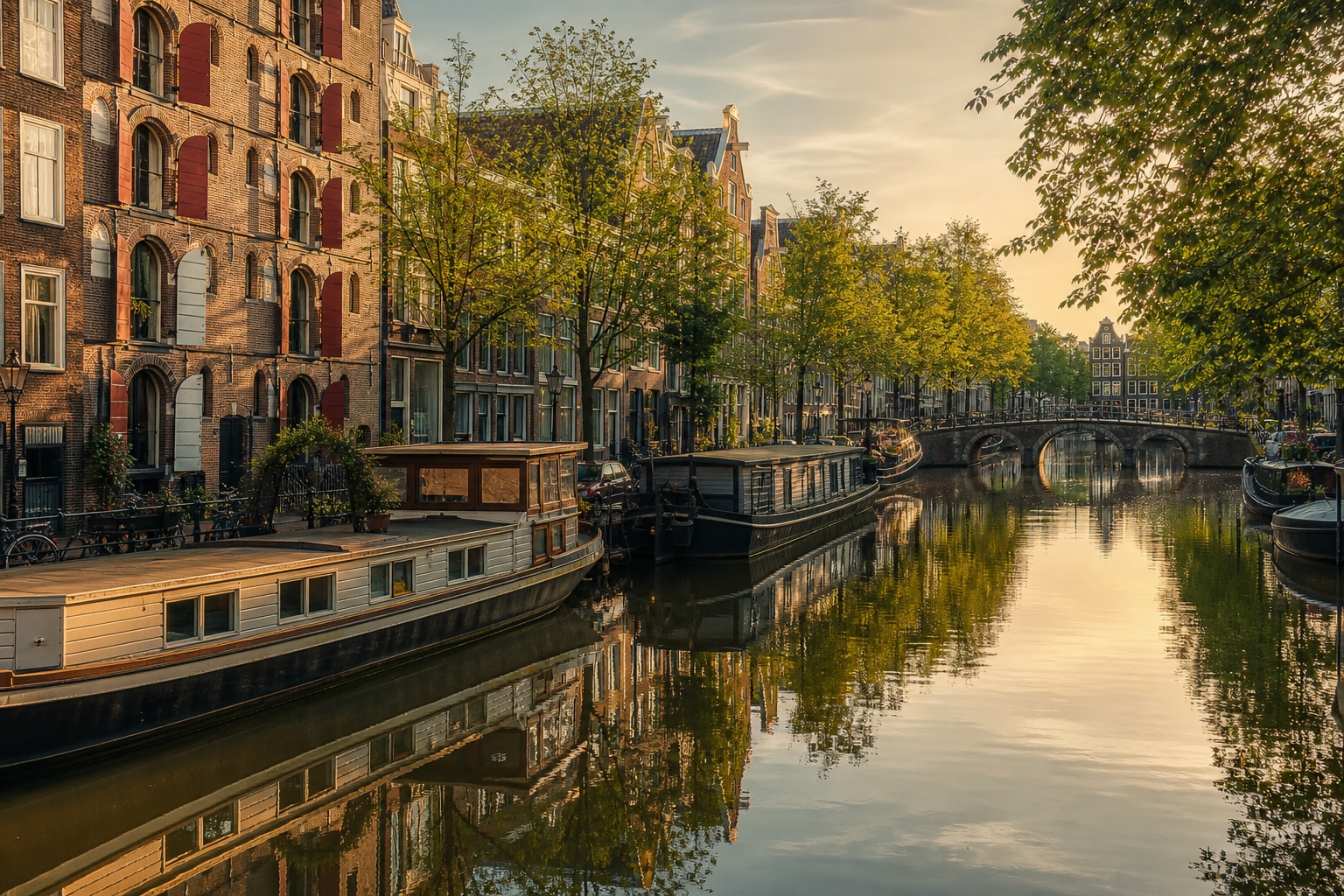
Often voted the city's most beautiful canal, Brouwersgracht marks the northern boundary of the historic center, where monumental warehouses meet the charm of the Jordaan.
Best forPhotography and Architecture
Plan forA 30-minute stroll
Worth knowingNamed after the many breweries once located here.
The Brewer's Canal
Amsterdam's Scenic Masterpiece
Brouwersgracht, which translates to 'Brewer's Canal,' is a quintessential example of Amsterdam's Golden Age urban planning. It connects the Singel, Herengracht, Keizersgracht, and Prinsengracht canals, serving as a northern anchor for the city's UNESCO-listed canal ring. Historically, this waterway was the industrial heart of the city's brewing trade, chosen for its easy access to fresh water and transport routes.
Today, the canal is far removed from its industrial roots, offering one of the most tranquil and photogenic walks in the city. It is famous for its wide quay, lined with massive 17th-century warehouses that have been converted into luxury apartments. These buildings are easily identified by their large wooden shutters and hoisting beams, which were once used to lift sacks of grain and barrels of beer into storage.
Golden Age Legacy
From Breweries to Residences
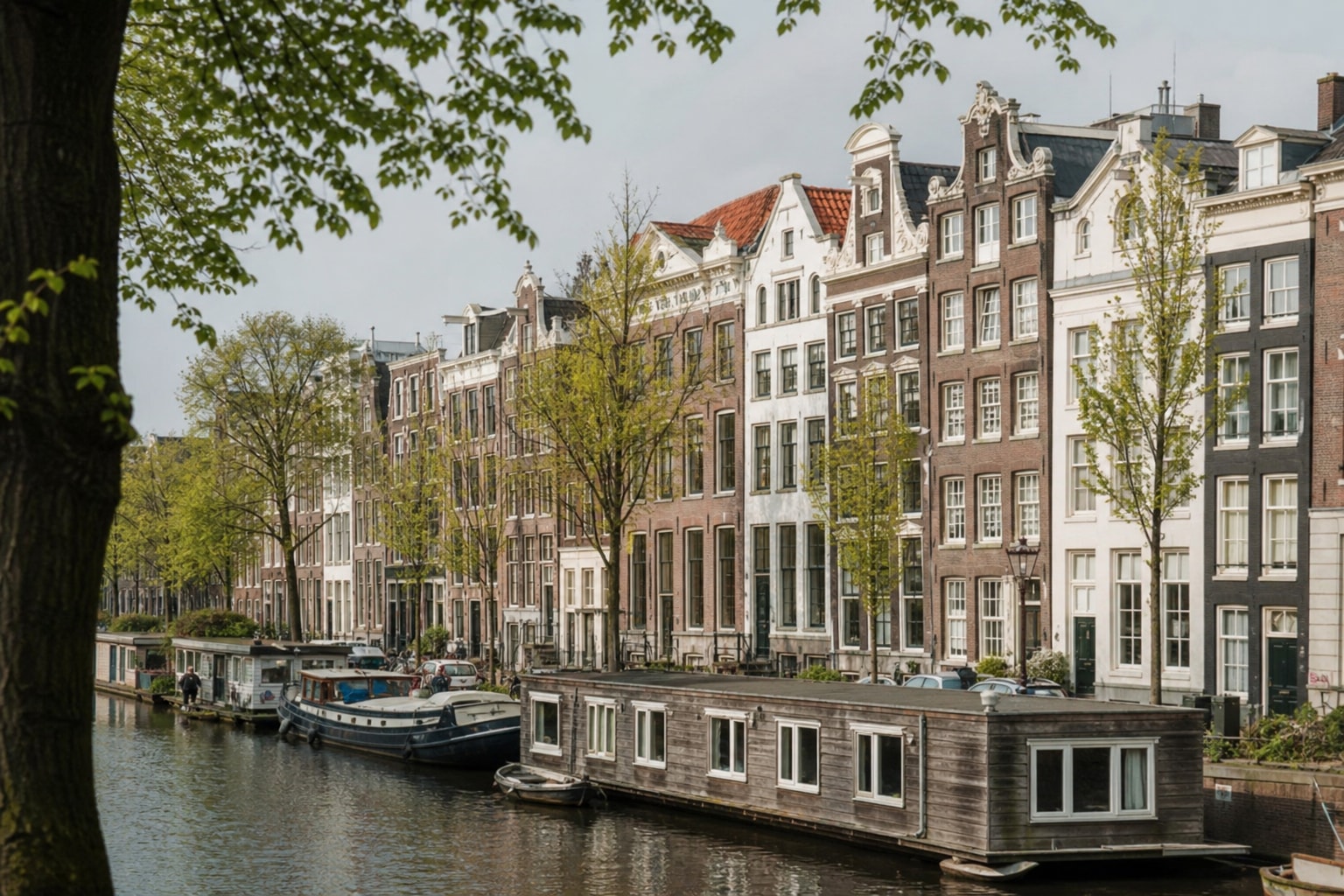
During the 17th century, Brouwersgracht was a bustling commercial artery. The canal was named for the numerous breweries that operated along its banks, taking advantage of the clean water supply. Beyond beer, the warehouses here stored a variety of goods including leather, coffee, spices, and grain, which arrived via the nearby IJ river.
As the brewing industry moved out of the city center in later centuries, the massive brick structures faced potential decay. However, a wave of preservation in the 20th century saw these industrial monuments transformed into residential spaces. This transition helped preserve the unique character of the canal, maintaining the heavy timber frames and brick facades that define the Amsterdam aesthetic.
What to See
Canal-Side Treasures
Architecture
Converted Warehouses
Look for the 'Pakhuis' buildings with their iconic colorful shutters. These structures were designed with deep floor plans to maximize storage space for the Dutch West India Company and local merchants.
Life on Water
Houseboat Culture
Brouwersgracht features some of the most well-maintained houseboats in Amsterdam. Walking along the quay provides a close-up look at how locals live on the water, often with small floating gardens.
Vantage Points
The Lekkeresluis Bridge
The bridge at the intersection of Brouwersgracht and Prinsengracht offers one of the most famous views in the city, capturing the curve of the canal and the spire of the Noorderkerk.
Visitor Experience
The Pace of the Canal
Morning
Quiet Reflections
Visit early in the morning when the water is still. The lack of boat traffic allows for perfect reflections of the historic warehouses in the canal surface, ideal for photography.
Afternoon
Canal Cruising
Many open-boat tours and private cruises navigate Brouwersgracht. Seeing the warehouses from the water level provides a different perspective on their immense scale and historical function.
Evening
Golden Hour Glow
As the sun sets, the brickwork of the Jordaan-side buildings glows in warm tones. The bridges are often illuminated, creating a romantic atmosphere for a post-dinner walk.
Visual Guide
Capturing the Essence
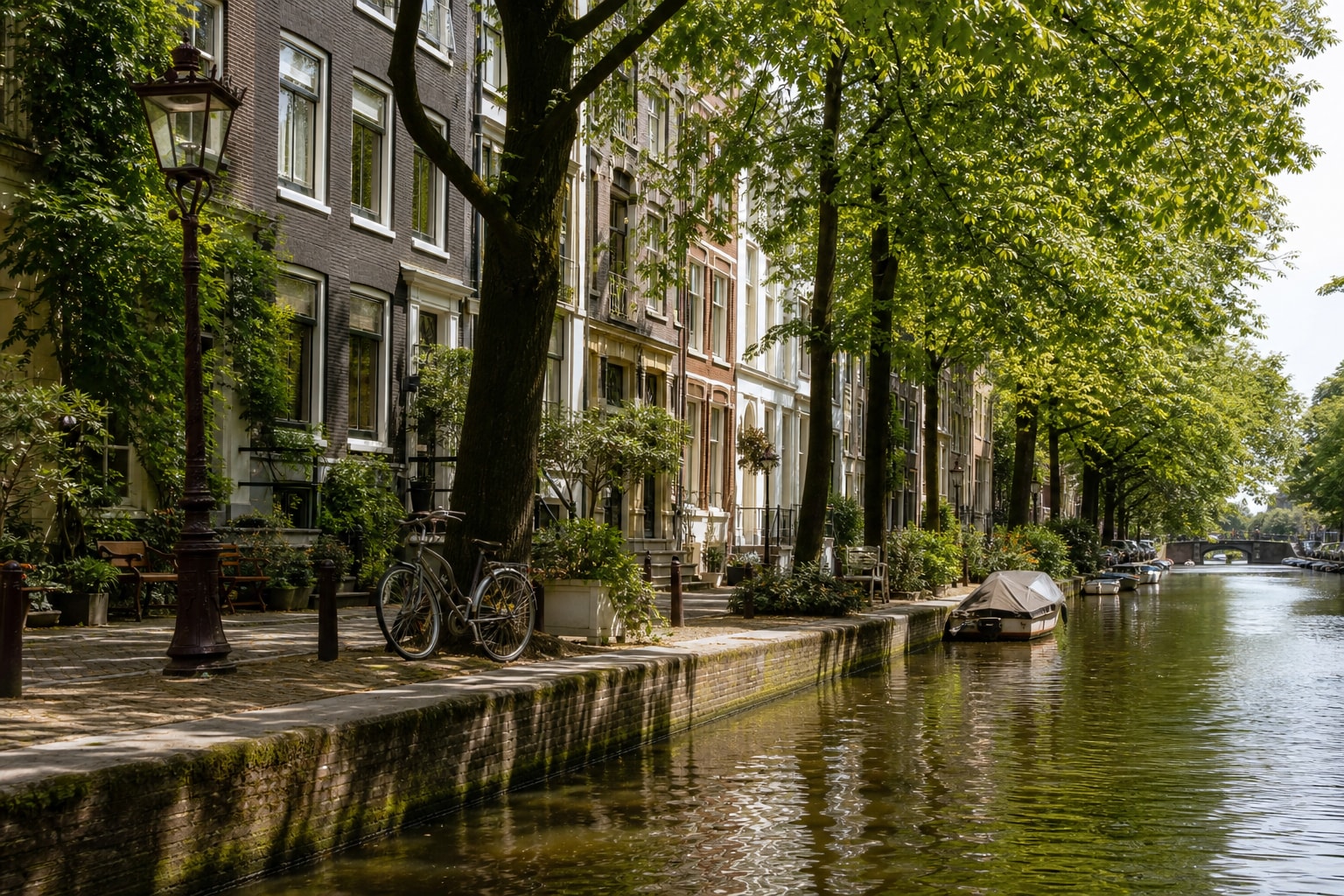
The beauty of Brouwersgracht lies in its details: the weathered brickwork, the iron mooring rings, and the way the light hits the water under the stone bridges. It is a place where the grand scale of the canal belt meets the intimate, village-like feel of the Jordaan.
Visitor Info
Planning Your Visit
Brouwersgracht is a public waterway and can be visited at any time for free. It is primarily a residential area, so visitors are encouraged to be respectful of the people living in the houseboats and apartments along the canal.
I amsterdam Visitor InformationAccessibility
Walking and Cycling
The quays are paved with cobblestones, which can be uneven. The canal is best explored on foot or by bicycle, though cyclists should be mindful of pedestrians on the narrow sidewalks.
Facilities
Nearby Amenities
While the canal itself is residential, the intersecting streets lead directly into the Jordaan, where you will find numerous independent cafes, boutiques, and traditional Dutch 'brown cafes'.
Bookable experiences
Experiences around Brouwersgracht.
Some links may earn Amsterdam Explorer a commission, at no extra cost to you. The booking content appears only after you accept optional content.
Getting There
Accessing Brouwersgracht
Brouwersgracht is easily accessible from Amsterdam Centraal Station. It is approximately a 10-minute walk from the station's main entrance. Head west toward the Singel canal and follow it until you reach the start of Brouwersgracht.
For those using public transport, several tram lines stop at nearby Marnixplein or Haarlemmerplein, both of which are just a short walk from the western end of the canal.
Common Questions
Frequently Asked Questions
Why is it called the Brewer's Canal?⌄
It was named in the 17th century after the many breweries that were located in this area to take advantage of the water access for production and transport.
Can you go inside the warehouses?⌄
Most warehouses are now private residences or offices and are not open to the public. However, their exteriors remain perfectly preserved for viewing from the street.
Is Brouwersgracht part of the Jordaan?⌄
Yes, the western section of Brouwersgracht forms the northern border of the Jordaan neighborhood, blending the grand canal style with the Jordaan's cozy character.