NeighbourhoodCanal District (Grachtengordel)
Historic Canal House
Museum Van Loon
Discover the elegance of the Dutch Golden Age inside the remarkably preserved home of the Van Loon family on the Keizersgracht.
Best forHistory buffs and interior design lovers
Plan for1 to 1.5 hours
Worth knowingIncludes a rare surviving coach house and garden.
The Regent Life
A Window into Amsterdam's Aristocracy
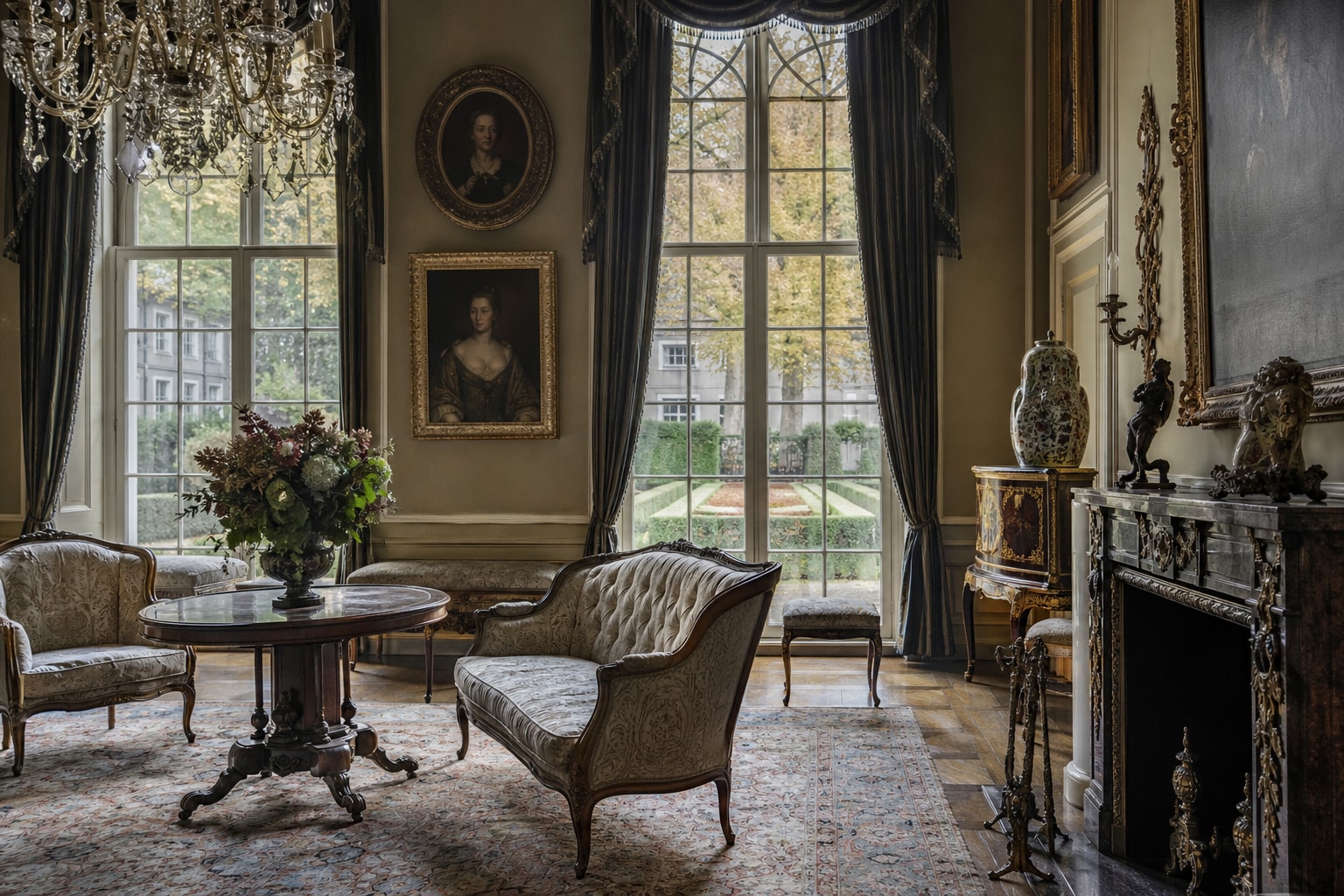
Museum Van Loon is one of Amsterdam's most evocative historic houses, situated on the prestigious Keizersgracht. Built in 1672, the house was first home to Ferdinand Bol, a pupil of Rembrandt, before eventually becoming the residence of the Van Loon family in the 19th century. The family, co-founders of the Dutch East India Company (VOC), has preserved the estate to reflect the lifestyle of the city's ruling class.
The museum is unique because it remains a family-owned foundation, ensuring the interiors feel authentic rather than curated. Visitors can wander through rooms filled with 18th-century furniture, fine porcelain, and an extensive collection of family portraits that span several centuries. The layout provides a seamless transition from the public reception rooms to the private quarters, offering a comprehensive look at domestic life in the canal belt.
Legacy
From Ferdinand Bol to the Van Loons
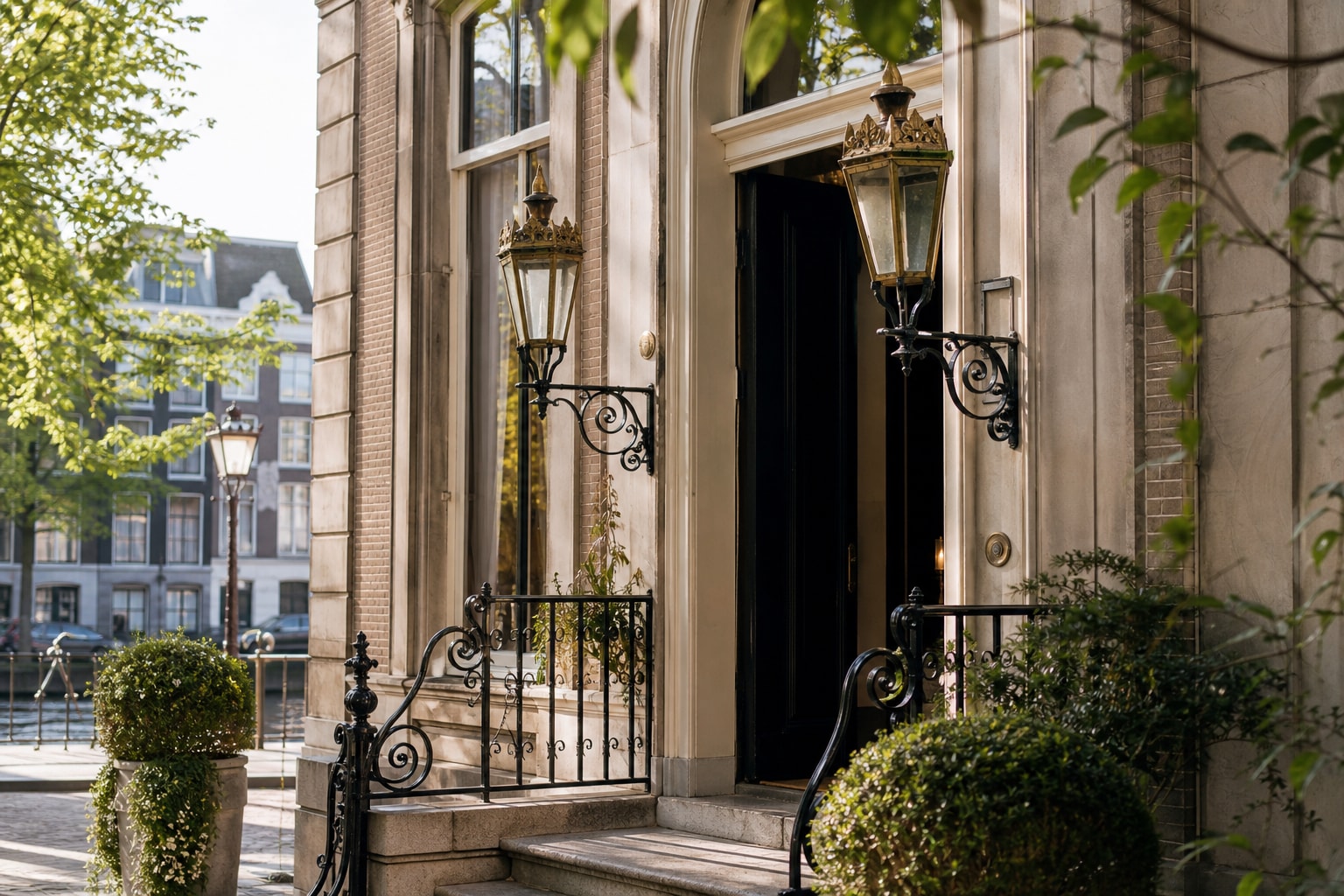
The house at Keizersgracht 672 was designed by architect Adriaen Dortsman. Its first famous resident, the painter Ferdinand Bol, lived here during the height of the Dutch Golden Age. The architecture reflects the classical style of the period, characterized by symmetry and grand proportions that were intended to signal the wealth and status of the occupants.
In 1884, Hendrik van Loon purchased the house as a wedding gift for his son, Willem Hendrik. The Van Loon family played a pivotal role in Dutch history, particularly in trade and banking. Today, the museum serves as a monument to this heritage, showcasing how the family adapted the 17th-century structure to the tastes of the 18th and 19th centuries while maintaining its original architectural integrity.
The preservation of the coach house and the formal garden is particularly significant. In a city where space was always at a premium, maintaining a full estate—complete with stables and a garden—was the ultimate luxury. This ensemble remains one of the few examples in Amsterdam where the house, garden, and coach house are still connected and open to the public.
What to See
Treasures of the Keizersgracht
Art & Ancestry
The Portrait Collection
The walls are adorned with over 150 family portraits, offering a visual genealogy of the Van Loons and their connections to the Dutch elite over three centuries.
Outdoor Elegance
The Formal Garden
Designed in the style of the 17th century, this quiet oasis features symmetrical hedges and classic statuary, linking the main house to the coach house at the rear.
Transport History
The Coach House
Located across the garden, the coach house still contains original carriages and harnesses, providing a rare look at how the wealthy navigated the city before the automobile.
The Experience
A Quiet Escape
Morning
Quiet Contemplation
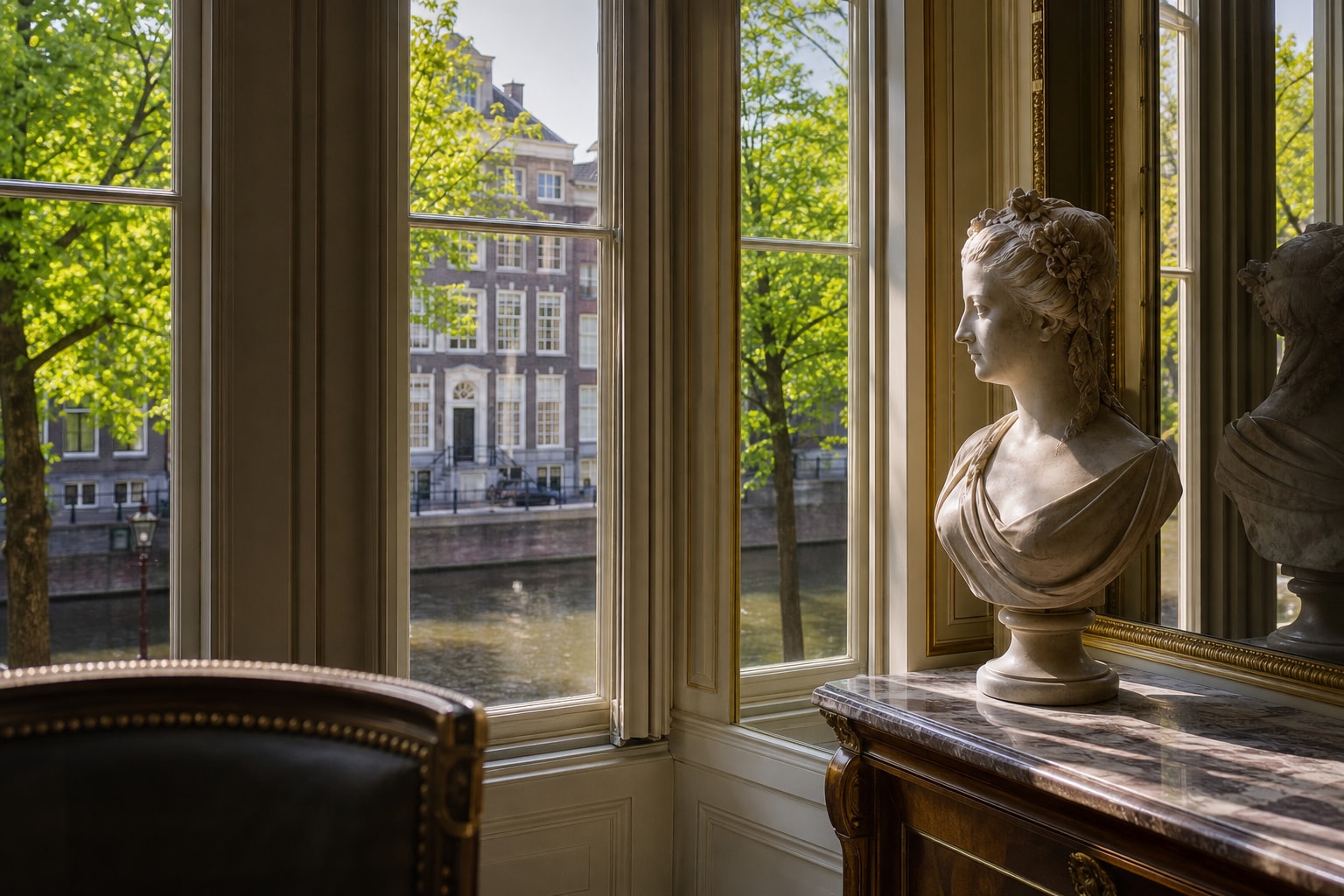
Visit early to enjoy the rooms without crowds. The morning light through the large canal-side windows highlights the intricate details of the wood carvings and silk wall coverings.
Afternoon
Garden Retreat
Spend your afternoon exploring the garden and coach house. It is one of the most peaceful spots in the city center, far removed from the noise of the main tourist thoroughfares.
Special Events
Temporary Exhibitions
The museum frequently hosts contemporary art exhibitions that contrast with the historic setting, providing a modern dialogue with the family's traditional collection.
Visual Splendour
Inside the Regent's Home
Every room in Museum Van Loon tells a story of craftsmanship. From the grand staircase with its ornate brass railing to the dining room set for a formal banquet, the museum captures the tactile reality of 18th-century luxury. The kitchen in the basement offers a stark but fascinating contrast, showing the 'below stairs' life required to maintain such a grand household.
Visitor Info
Planning Your Visit
Museum Van Loon is a manageable and intimate museum, making it an excellent choice for those who want to avoid the massive crowds of the Museumplein. A free visitor's guide is available at the entrance to help navigate the history of the rooms.
Official websiteAccessibility
Historic Constraints
Due to the historic nature of the building and its many stairs, the museum is unfortunately not fully accessible to wheelchair users.
City Card
Entry Benefits
Entry is included with the I amsterdam City Card, making it an easy addition to a day of canal-side exploration.
Bookable experiences
Experiences around Museum Van Loon.
Some links may earn Amsterdam Explorer a commission, at no extra cost to you. The booking content appears only after you accept optional content.
Getting There
Location & Transport
Museum Van Loon is located at Keizersgracht 672. It is easily reachable by tram; take lines 2, 11, or 12 to the Koningsplein stop, or line 24 to the Muntplein stop. From there, it is a short, scenic walk along the canals. The museum is also within walking distance of the Rembrandtplein and the Flower Market.
Common Questions
Frequently Asked Questions
Is the Van Loon family still involved with the house?⌄
Yes, the house is managed by a foundation established by the family, and members of the Van Loon family still occasionally use parts of the building for private events.
Can I visit the coach house separately?⌄
No, the coach house is part of the museum complex and is accessed through the garden after entering the main house.
Are there guided tours available?⌄
While a free visitor's guide is provided at the door, private tours can be arranged in advance through the museum's official website.