NeighbourhoodDe Wallen (Red Light District)
Hidden History
Our Lord in the Attic Museum
Step inside a perfectly preserved 17th-century canal house that hides a secret Catholic church within its upper floors, a testament to Amsterdam's history of tolerance.
Best forHistory and religious heritage
Plan for1 to 1.5 hours
Worth knowingSteep, narrow stairs are part of the experience
Secret Sanctuary
A Church Behind a Canal Facade
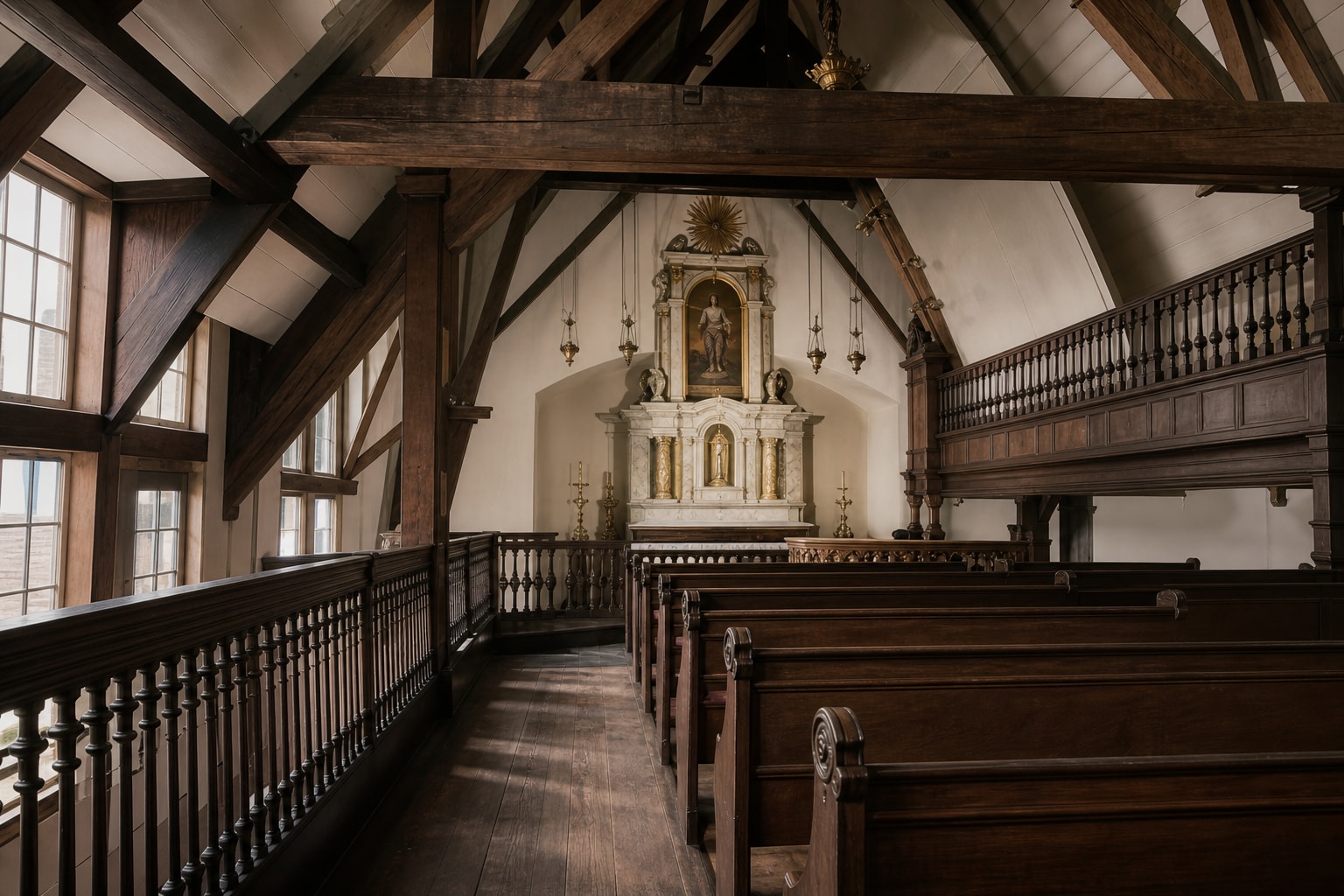
Museum Ons' Lieve Heer op Solder, known in English as Our Lord in the Attic, is one of the oldest and most evocative museums in Amsterdam. From the outside, the building on Oudezijds Voorburgwal appears to be a typical merchant's residence. However, the top three floors house a magnificent, fully furnished Catholic church that has remained largely unchanged since the 1660s.
The museum offers a rare glimpse into the private lives of 17th-century Amsterdammers. Beyond the secret chapel, visitors can walk through the lower living quarters, which feature authentic kitchens, reception rooms, and sleeping quarters decorated in the style of the Dutch Golden Age. It serves as a physical record of a time when religious practice was a matter of private conscience rather than public display.
Tolerance and Faith
The Era of Clandestine Worship
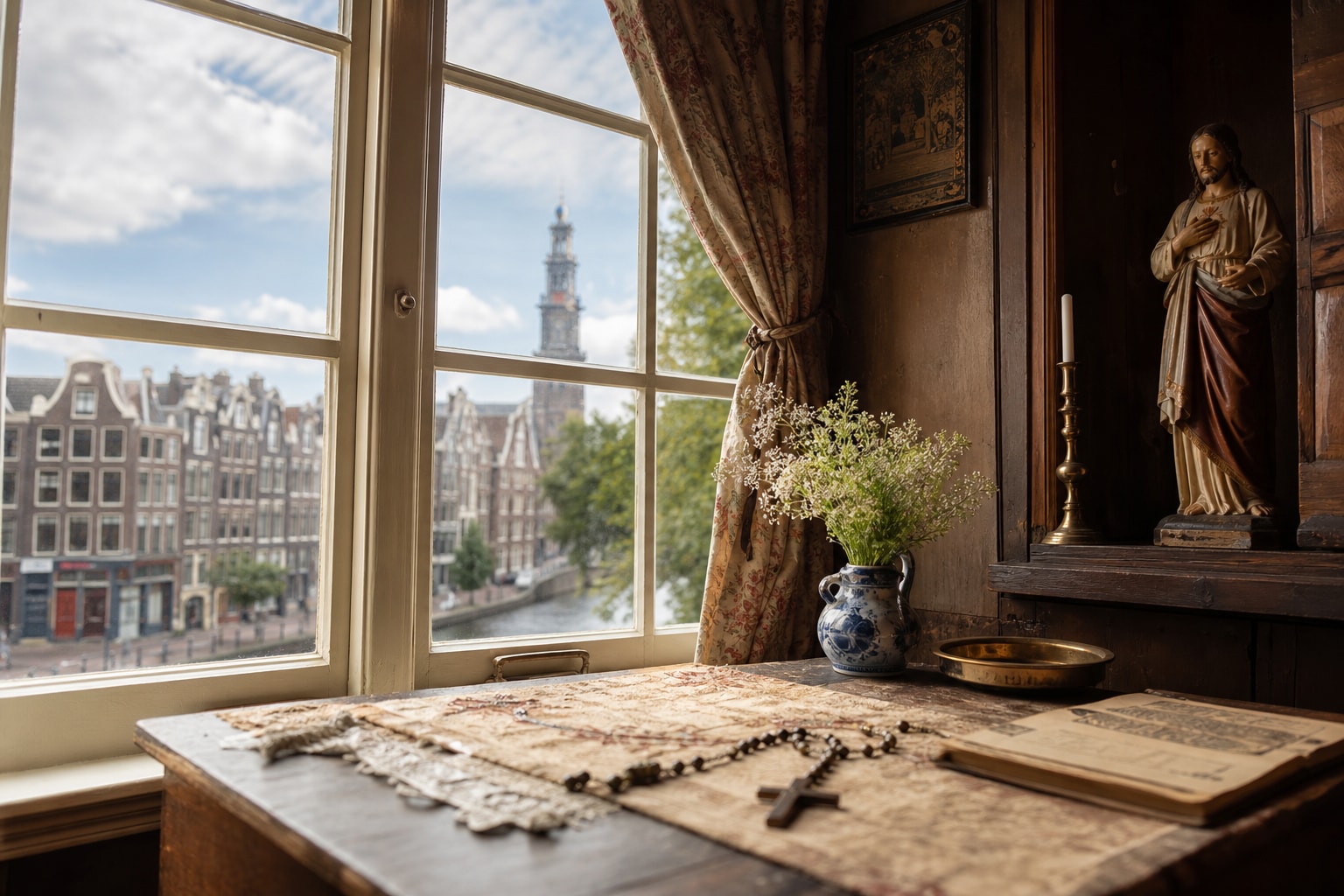
Following the Reformation in the late 16th century, public Catholic services were officially banned in the Netherlands. While the Dutch authorities practiced a policy of 'gedogen' (tolerance), Catholics were forced to worship in 'schuilkerken' or hidden churches. These spaces had to be invisible from the street, leading wealthy merchants like Jan Hartman to convert the attics of their homes into sacred spaces.
Hartman purchased the property in 1661 and oversaw the construction of the church, which could accommodate over 150 worshippers. The site remained an active place of worship until the late 19th century when the Basilica of Saint Nicholas was built nearby. In 1888, the building was saved from demolition and converted into a museum, then known as Museum Amstelkring, making it the second oldest museum in the city.
What to See
Treasures of the Attic
Architecture
The Attic Church
The centerpiece of the museum is the narrow, three-story high chapel. Despite the spatial constraints of a canal house, it features a grand altar, a pipe organ, and two levels of galleries supported by iron bars.
Domestic Life
The Period Rooms
Explore the lower floors to see how a wealthy 17th-century family lived. Highlights include the 17th-century kitchen with its original Delft blue tiles and the ornate 'Sael' or drawing room.
Art
Religious Collection
The museum houses a significant collection of church silver, paintings, and liturgical objects that were used during the centuries the church was active.
The Experience
Navigating the House
Morning
Quiet Contemplation
Visit early in the day to experience the church in silence. The morning light filtering through the attic windows provides a serene atmosphere that highlights the wooden architecture.
Afternoon
Guided Discovery
Use the free audio guide to navigate the maze of corridors. The narrative explains the social context of the Dutch Golden Age and the specific history of the Hartman family.
Accessibility
The CoVisit Option
For those unable to climb the steep stairs, the museum offers a 'CoVisit' experience. This allows visitors with limited mobility to view the historic building via real-time video from the modern entrance building.
Visual Heritage
A Monument to Freedom
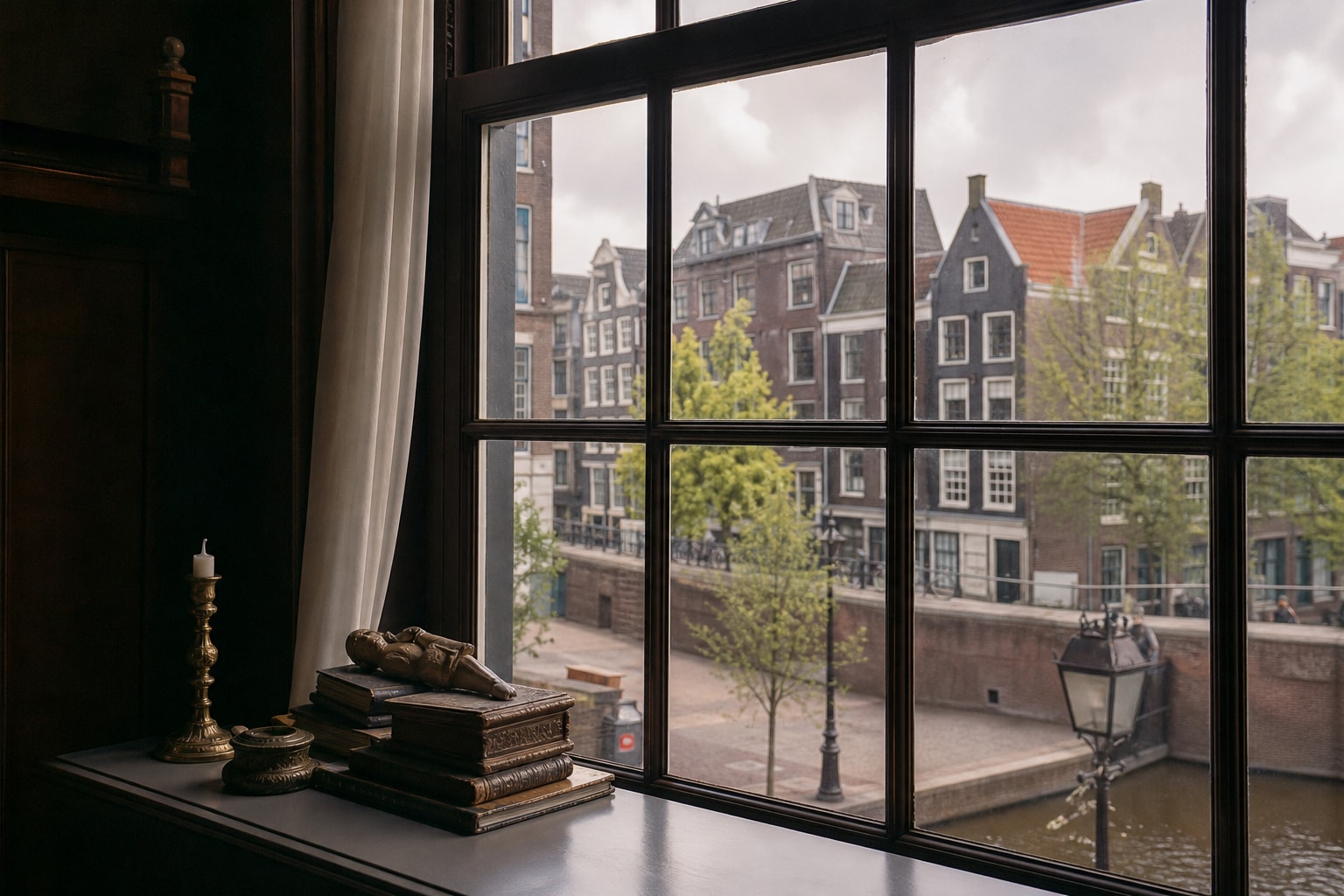
The museum has been awarded the European Heritage Label, recognizing its role as a symbol of freedom of conscience and religion. The preservation of the site allows visitors to see the physical manifestation of these values, where a community maintained its faith within the private sphere of a domestic home.
Visitor Info
Planning Your Visit
The museum is located in the Red Light District, just a short walk from Central Station. It is a popular site, so booking a timeslot in advance is recommended, especially during weekends and holidays.
Official Ticket InformationTickets
Admission and Passes
The museum accepts the Museumkaart, I Amsterdam City Card, and CJP Pass. Standard tickets include a free audio tour available in multiple languages.
Facilities
Modern Entrance
The museum consists of two parts: a modern entrance building with a shop, lockers, and a lift, and the historic house which is accessed via an underground passage.
Bookable experiences
Experiences around Our Lord in the Attic Museum.
Some links may earn Amsterdam Explorer a commission, at no extra cost to you. The booking content appears only after you accept optional content.
Getting There
Location and Transport
The museum is situated at Oudezijds Voorburgwal 38. It is easily accessible on foot from Amsterdam Centraal Station (approximately an 8-minute walk). The nearest metro stop is Nieuwmarkt, which is served by lines 51, 53, and 54.
Common Questions
Frequently Asked Questions
Is the museum wheelchair accessible?⌄
The modern entrance building is fully accessible and includes a lift and wheelchair-friendly toilet. However, the historic house has many steep, narrow stairs. The museum offers a 'CoVisit' video experience for those who cannot climb the stairs.
Can I use the Museumkaart here?⌄
Yes, the Museumkaart is accepted at Our Lord in the Attic Museum, though you may still need to book a specific entry timeslot online.
How long does a typical visit take?⌄
Most visitors spend between 60 and 90 minutes exploring the period rooms and the attic church with the provided audio guide.