NeighbourhoodGrachtengordel (Canal Belt)
Canals & Cruises
Prinsengracht
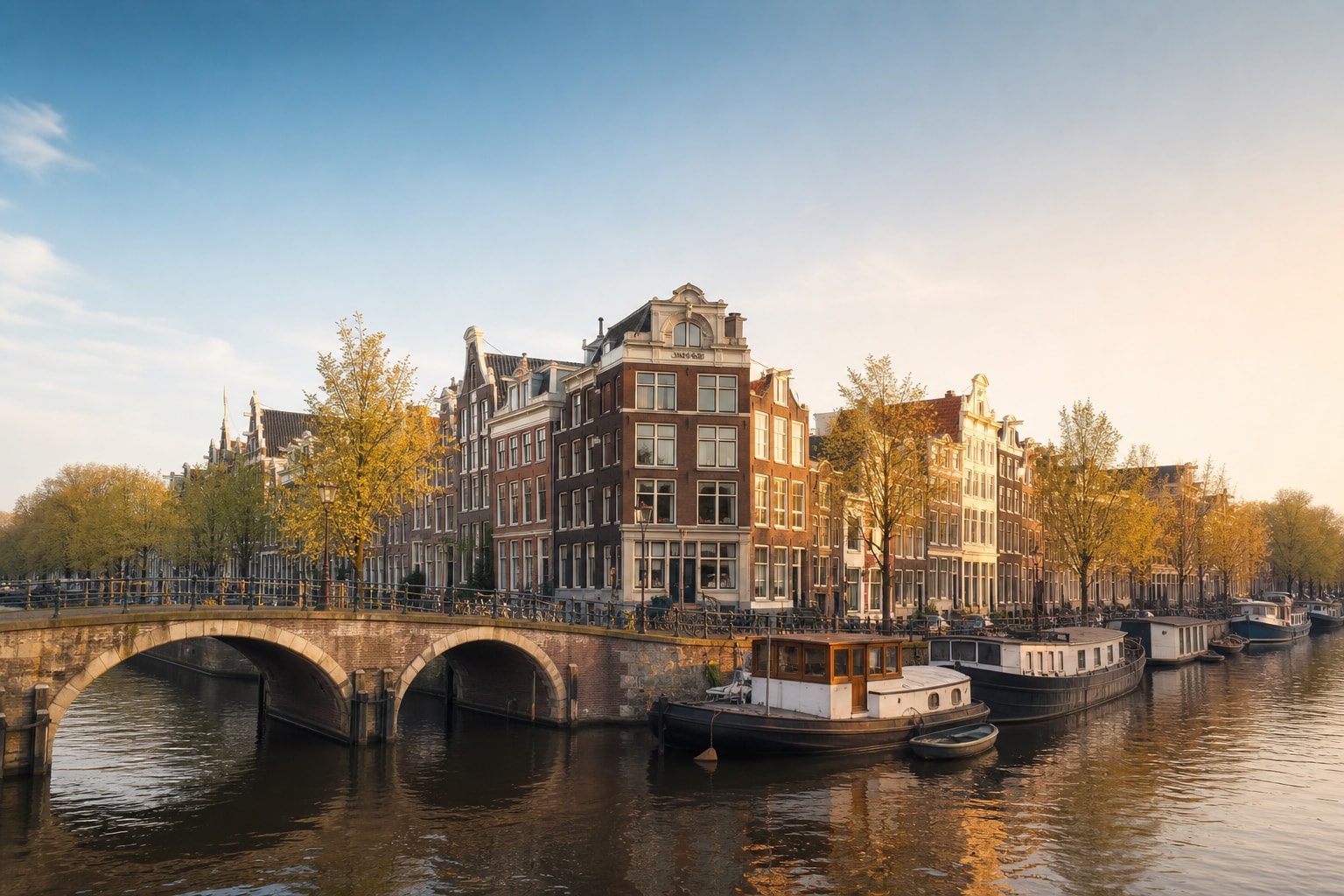
The longest and most vibrant of Amsterdam's historic waterways, Prinsengracht is a living gallery of Golden Age architecture, bustling houseboats, and world-renowned monuments.
Best forHistoric walks, canal cruises, and photography
Plan for1–2 hours for a full walk
Worth knowingIt hosts the famous annual Prinsengracht Concert
Introduction
The Prince's Canal
Prinsengracht is the fourth and outermost of the main canals that form the Grachtengordel, Amsterdam's 17th-century canal belt. Named in honor of William the Silent, Prince of Orange, it stretches for several kilometers, curving around the city center. Unlike the more formal Herengracht, Prinsengracht has historically been a mix of grand residences, warehouses, and workshops, giving it a diverse and energetic character that persists today.
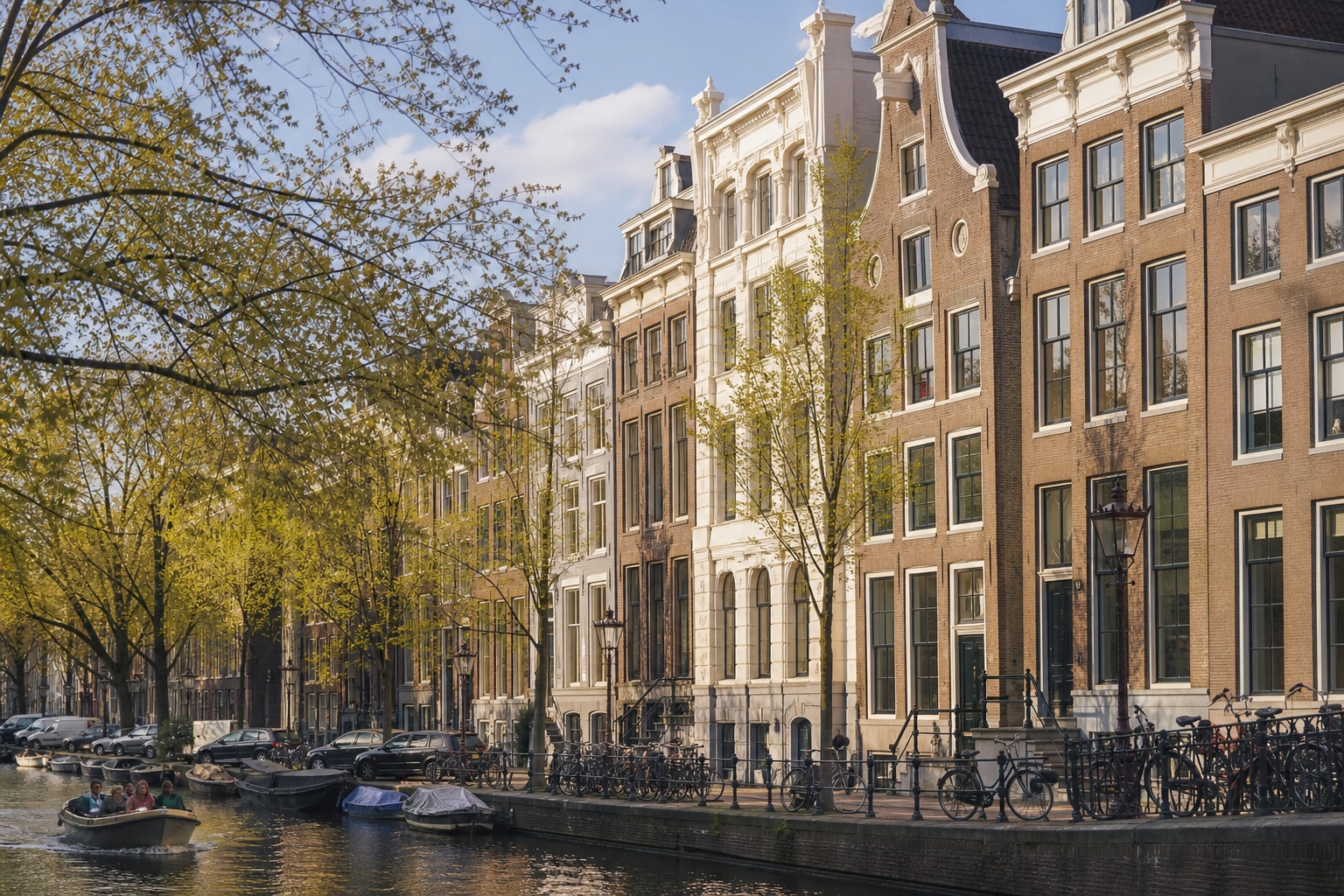
Walking along its banks offers a quintessential Amsterdam experience. The canal is lined with a dense row of narrow, gabled houses, many of which lean slightly forward—a design feature intended to facilitate hoisting goods into upper-floor warehouses. Today, these buildings house everything from boutique hotels and cozy cafes to private residences, while the water itself is crowded with a colorful array of houseboats.
Heritage
A Golden Age Expansion
The construction of Prinsengracht began in 1612 as part of a massive urban expansion project that tripled the city's size. While the inner canals were designed for the wealthy elite, Prinsengracht was intended to be more functional. Its wider layout allowed for more industrial activity, which is why many of the buildings here feature the large shutters and hoisting beams typical of old warehouses.
Over the centuries, the canal has witnessed pivotal moments in Dutch history. It is most famously associated with the dark days of World War II; the secret annex where Anne Frank and her family hid is located in a canal house overlooking the Prinsengracht. Today, the canal serves as a primary site for national celebrations, symbolizing the city's resilience and cultural vibrancy.
Must-See
Landmarks Along the Water
History
Anne Frank House
Located at Prinsengracht 263, this is one of the most visited sites in the Netherlands. The museum preserves the secret annex where Anne Frank wrote her world-famous diary during the Nazi occupation.
Architecture
Westerkerk & Westertoren
Standing tall beside the canal, the Westerkerk is the largest Protestant church in Amsterdam. Its spire, the Westertoren, offers one of the best panoramic views of the canal belt.
Culture
Houseboat Museum
To understand life on the water, visit the Hendrika Maria, a former freighter turned into a museum. It provides a rare look inside a traditional Amsterdam houseboat moored on the Prinsengracht.
Events
The Canal's Seasonal Pulse
August
Prinsengracht Concert
Every August, a floating stage is built in front of the Pulitzer Hotel for this free classical music festival. Thousands of people gather on boats and along the quays to listen.
Summer
Canal Parade
As part of Amsterdam Pride, the Prinsengracht becomes the main stage for the Canal Parade, where decorated boats celebrate LGBTQ+ culture in a vibrant, floating procession.
Daily
Evening Glow
As the sun sets, the bridges along the Prinsengracht are illuminated by thousands of tiny lights, creating a romantic atmosphere perfect for an evening stroll or a night cruise.
Visuals
Life on the Prinsengracht
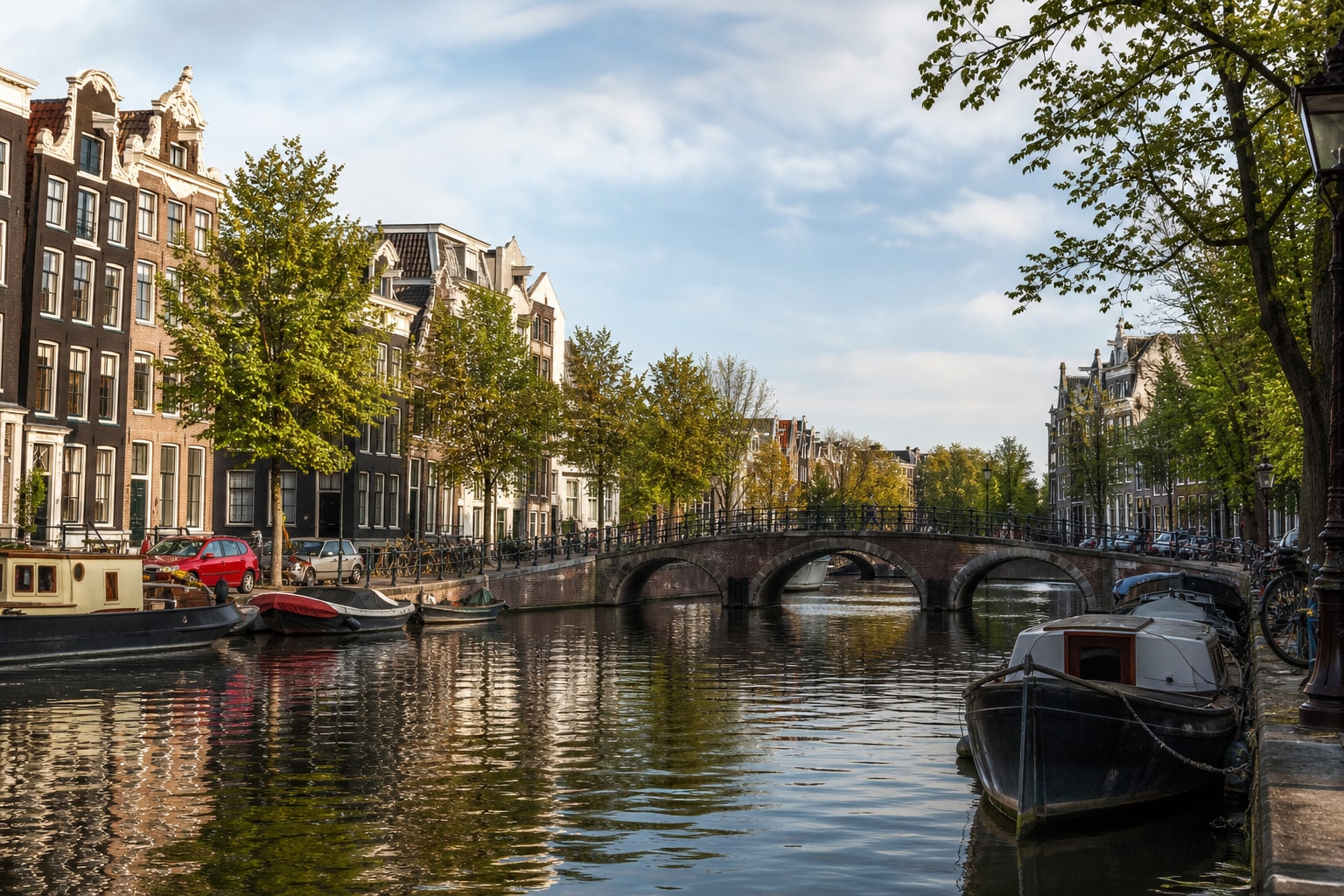
The visual appeal of Prinsengracht lies in its details: the intricate gables of the houses, the flower-adorned bicycles locked to bridge railings, and the reflection of the Westerkerk in the dark water. It is a place where the city's maritime past and modern lifestyle meet seamlessly.
Visitor Info
Planning Your Visit
Prinsengracht is a public waterway and is accessible 24 hours a day without any entry fee. It is best explored on foot or by bicycle to appreciate the architecture, though a canal cruise provides a unique perspective from the water level.
Official Amsterdam GuideTickets
Canal Cruises
Many canal cruise operators include Prinsengracht in their routes. The I amsterdam City Card often includes a complimentary cruise that covers these historic waterways.
Facilities
Dining & Shopping
The canal is lined with numerous cafes and restaurants, particularly near the Noordermarkt and the 'Nine Streets' (De Negen Straatjes) area which intersects it.
Bookable experiences
Experiences around Prinsengracht.
Some links may earn Amsterdam Explorer a commission, at no extra cost to you. The booking content appears only after you accept optional content.
Getting There
Accessing Prinsengracht
Prinsengracht is easily reachable from Amsterdam Centraal Station. You can walk there in about 10-15 minutes heading west. Alternatively, take tram lines 13 or 17 and get off at the Westermarkt stop, which puts you directly between the Anne Frank House and the Westerkerk.
FAQ
Common Questions
Is there an entry fee for Prinsengracht?⌄
No, Prinsengracht is a public canal and street. There is no cost to walk along its banks or cross its bridges.
When is the Prinsengracht Concert held?⌄
The concert typically takes place annually in August. It is a free open-air event held on the water.
Can I visit the houseboats?⌄
Most houseboats are private residences and not open to the public. However, the Houseboat Museum on Prinsengracht allows visitors to see the interior of a traditional boat.