NeighbourhoodJordaan
Historic Home
Anne Frank House
Step into the quiet, preserved hiding place where Anne Frank wrote her diary and learn about the resilience of the human spirit.
Best forHistory lovers, families, students
Plan for2–3 hours
Worth knowingQuiet, respectful atmosphere; no large bags allowed
A Journey Through History
Discover the Anne Frank House
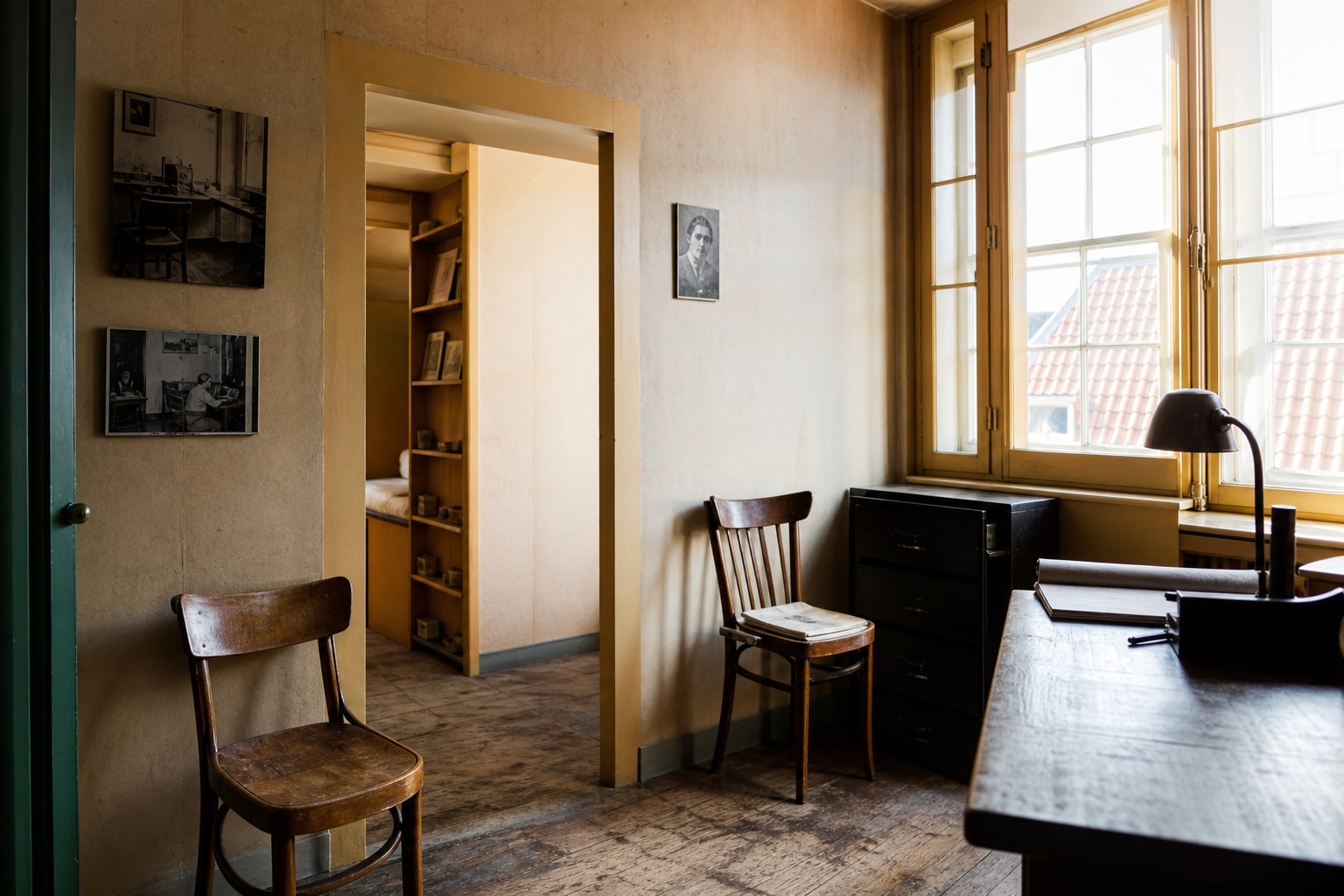
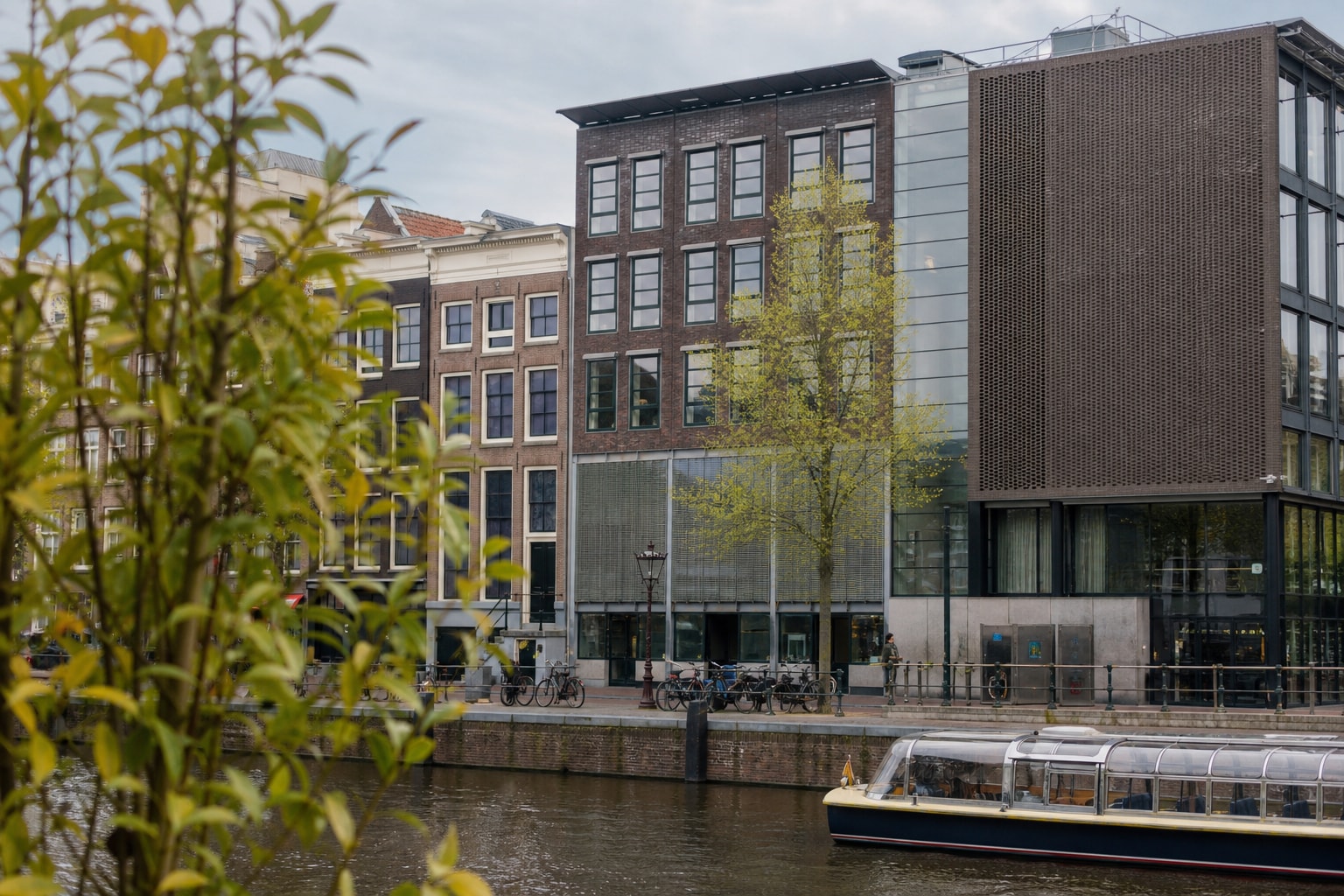
The Anne Frank House is a museum and memorial located at Prinsengracht 263‑267 in Amsterdam’s historic Jordaan district. It preserves the secret annex where Anne Frank, her family, and others hid from the Nazis during World War II. The museum offers a powerful, intimate look at the daily life of those in hiding, the conditions they endured, and the broader context of the Holocaust.
Visitors walk through the original rooms, including the attic, the kitchen, and the living quarters, all of which have been meticulously restored to their 1940s appearance. Audio guides and interactive displays provide personal stories, diary excerpts, and historical background, allowing guests to connect emotionally with the past.
From Hiding Place to Museum
The Story Behind the Walls
The annex was built in 1929 as a private residence. In 1942, Anne Frank’s family moved in, and the house became a refuge for 13 people. The occupants lived in cramped, dark conditions, relying on a hidden staircase and a secret door to escape the Nazis. The family’s story was recorded in Anne’s diary, which later became a global symbol of hope.
After the war, the house was preserved as a museum in 1960. It has since become one of the most visited sites in Amsterdam, drawing millions of visitors who come to remember the victims of persecution and to reflect on the dangers of intolerance.
Must-See Moments
Top Highlights
The Secret Annex
Explore the Hidden Rooms
Walk through the attic, kitchen, and living quarters where the family hid. The rooms are preserved exactly as they were in 1944, complete with period furnishings and the original diary writing desk.
Anne’s Diary
Read Excerpts and Audio
Listen to audio recordings of Anne’s diary entries, read translations, and see original handwritten pages. The museum’s audio guide offers a moving narrative that brings her words to life.
Historical Context
Learn About the Holocaust
Interactive displays explain the broader history of the Holocaust, the persecution of Jews in the Netherlands, and the impact on Dutch society. The museum’s exhibitions contextualize Anne’s story within the larger tragedy.
How to Experience It
Suggested Visit Rhythm
Start Early
Arrive at Opening Time
The museum opens at 9:00 AM. Arriving early allows you to avoid the busiest crowds and gives you ample time to explore each room without feeling rushed.
Take Your Time
Allocate 2–3 Hours
A typical visit lasts between two and three hours. This gives you enough time to read the diary excerpts, view the exhibits, and reflect on the experience.
Reflect Quietly
Find a Moment of Silence
The museum encourages visitors to pause and reflect. Find a quiet corner, sit for a moment, and consider the resilience and humanity displayed in the annex.
Visual Journey
Gallery Highlights
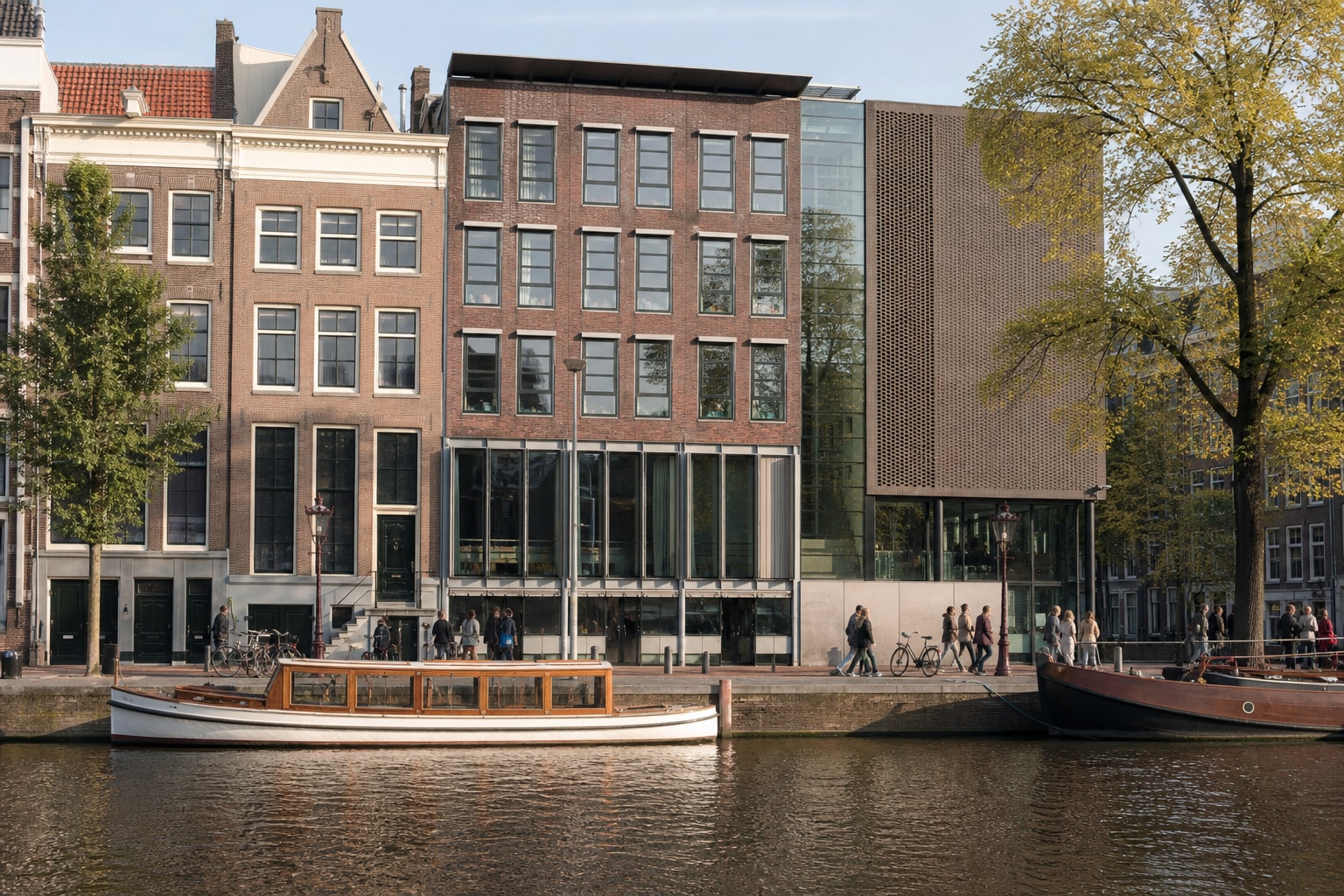
The Anne Frank House offers a series of carefully curated photographs and artifacts that bring the past to life. From the original diary pages to the preserved kitchen utensils, each item tells a story of survival, hope, and the everyday reality of life in hiding.
Before You Go
Practical Information
The museum is located at Prinsengracht 263‑267, with the entrance at Westermarkt 20. It is a 20‑minute walk from Amsterdam Central Station or a short tram ride via stops 13 or 17 to Westermarkt. Large bags are not allowed inside; visitors should store them at their accommodation or use luggage storage facilities at nearby stations.
Official websiteTickets
Book in Advance
Tickets can be purchased online through the official website. Choose from standard admission, guided tours, or special exhibitions. Booking ahead guarantees entry and helps avoid long queues.
Accessibility
Accessible for All
The museum offers accessible routes, an accessible toilet on the underground floor, and assistance for visitors with mobility challenges. Check the official site for detailed accessibility information.
Bookable experiences
Experiences around Anne Frank House.
Some links may earn Amsterdam Explorer a commission, at no extra cost to you. The booking content appears only after you accept optional content.
Getting Here
Arrival and Transport
From Amsterdam Central Station, walk south along the canals for about 20 minutes to reach the museum. Alternatively, take tram 13 or 17 to the Westermarkt stop, which is a short walk from the entrance. Note that from 15 February 2025 to February 2028, tram service to Westermarkt will be suspended; a tram will instead stop at Dam Square, from which the museum is a 10‑minute walk.
Visitor Questions
FAQs
What is the best time to visit?⌄
Arriving at opening time (9:00 AM) allows you to experience the museum before the crowds grow. Early mornings are generally quieter.
Can I bring a stroller or large bag?⌄
Large bags are not permitted inside the museum. Strollers can be used on the outside but must be stored in designated areas if you wish to enter.
Is the museum accessible for visitors with disabilities?⌄
Yes. The museum provides accessible routes, an accessible toilet, and assistance upon request. For detailed information, visit the official website.
Explore More
Nearby Attractions
Museums & Art · Amsterdam
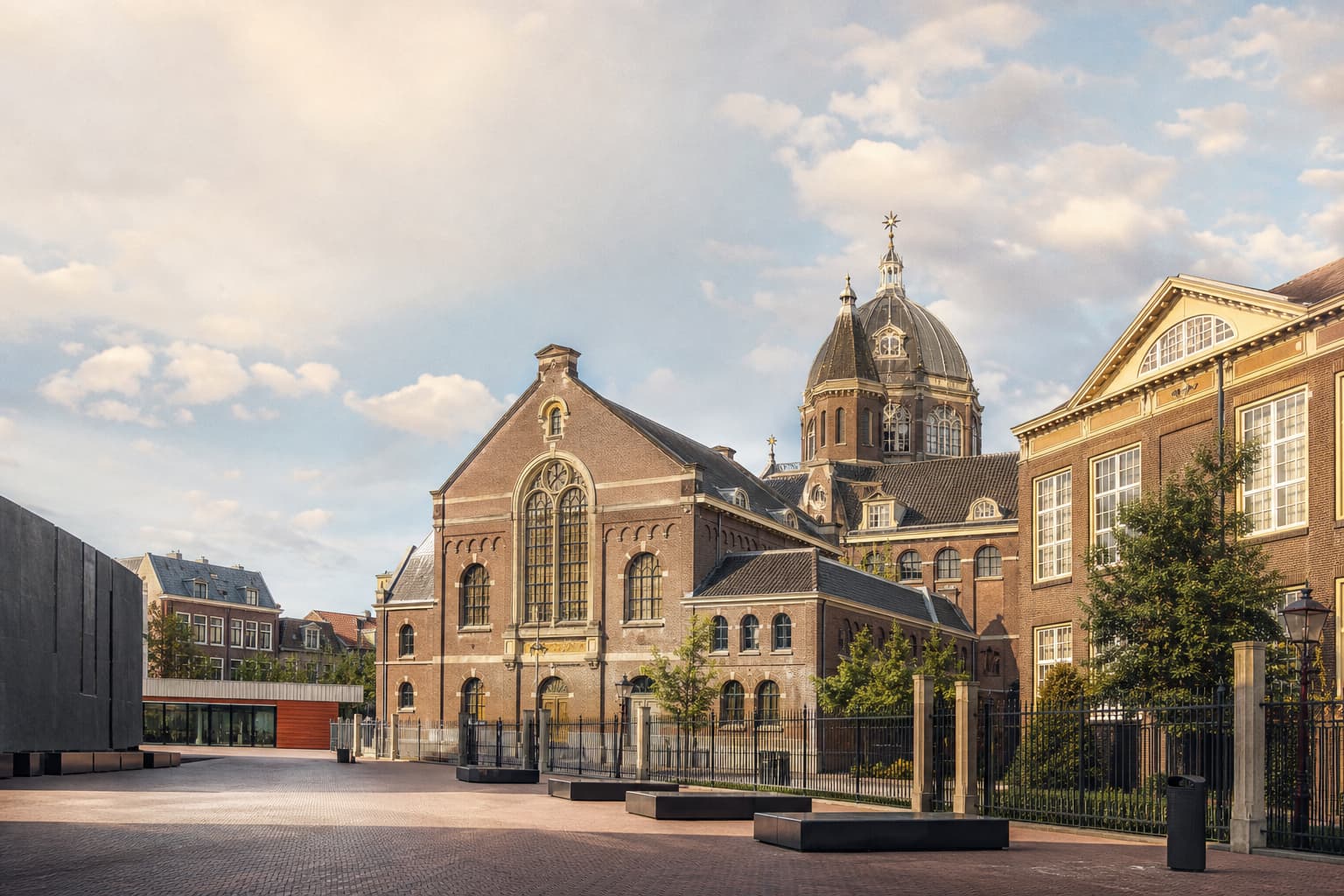
Jewish Historical Museum
Discover four centuries of Dutch Jewish history, art, and tradition housed within a complex of four historic synagogues in the heart of Amsterdam.
Read the guide