NeighbourhoodGrachtengordel (Canal District)
UNESCO World Heritage
The Canals of Amsterdam
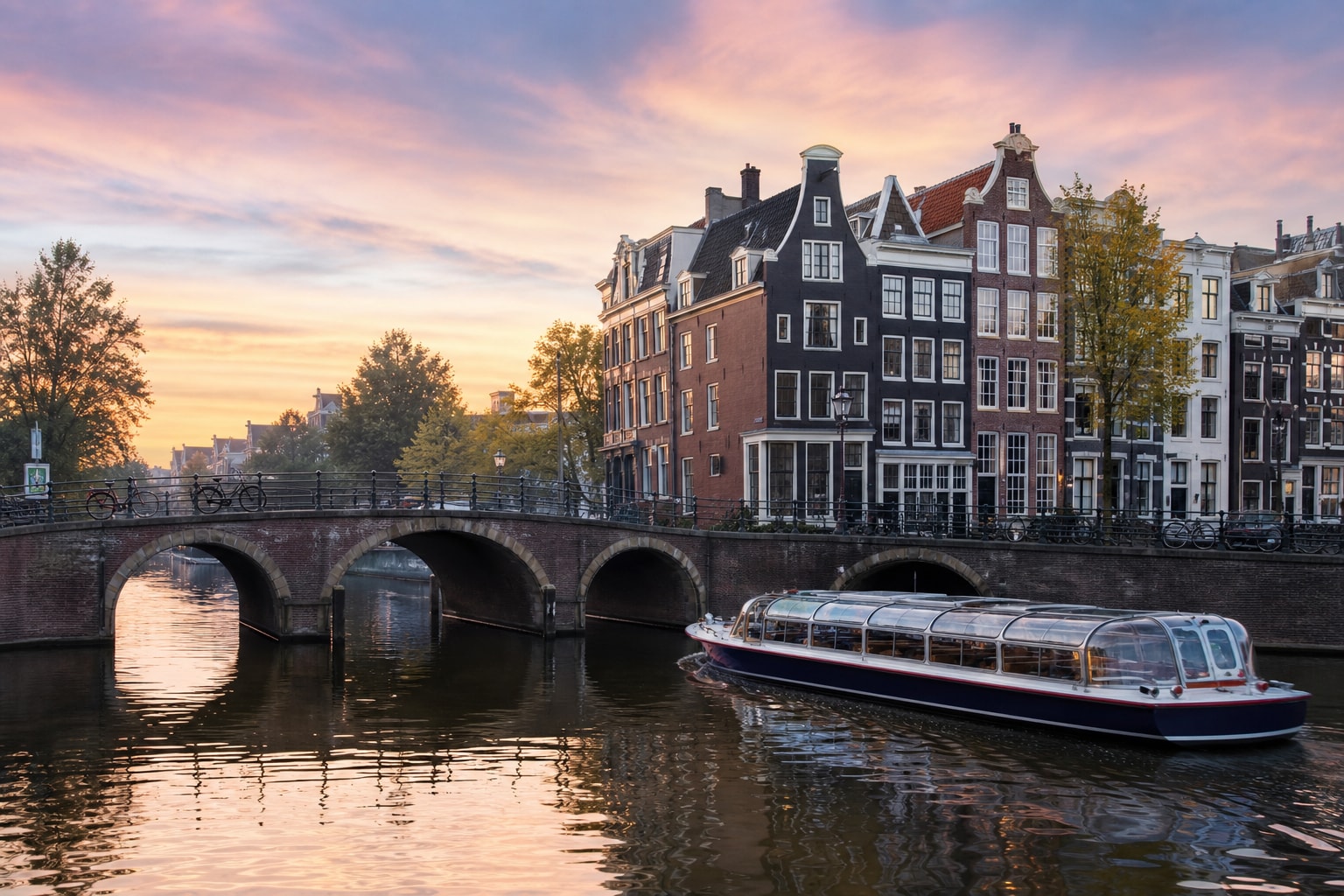
A masterpiece of 17th-century urban planning, Amsterdam’s canal ring is a labyrinth of historic waterways, elegant bridges, and iconic gabled houses that define the soul of the Dutch capital.
Best forHistory, Photography, and Boat Tours
Plan for2–4 hours for walking or cruising
Worth knowingThe canal ring is a UNESCO World Heritage site.
Waterborne Heritage
The Heart of the City
The Amsterdam canal district, or Grachtengordel, is a meticulously designed maze of waterways that gives the city its unique character. Developed primarily during the Dutch Golden Age, these canals were not just for transport; they were a statement of wealth and engineering prowess. Today, the lack of high-rise buildings in the center allows the historic charm of the centuries-old canal houses to remain the focal point of the skyline.
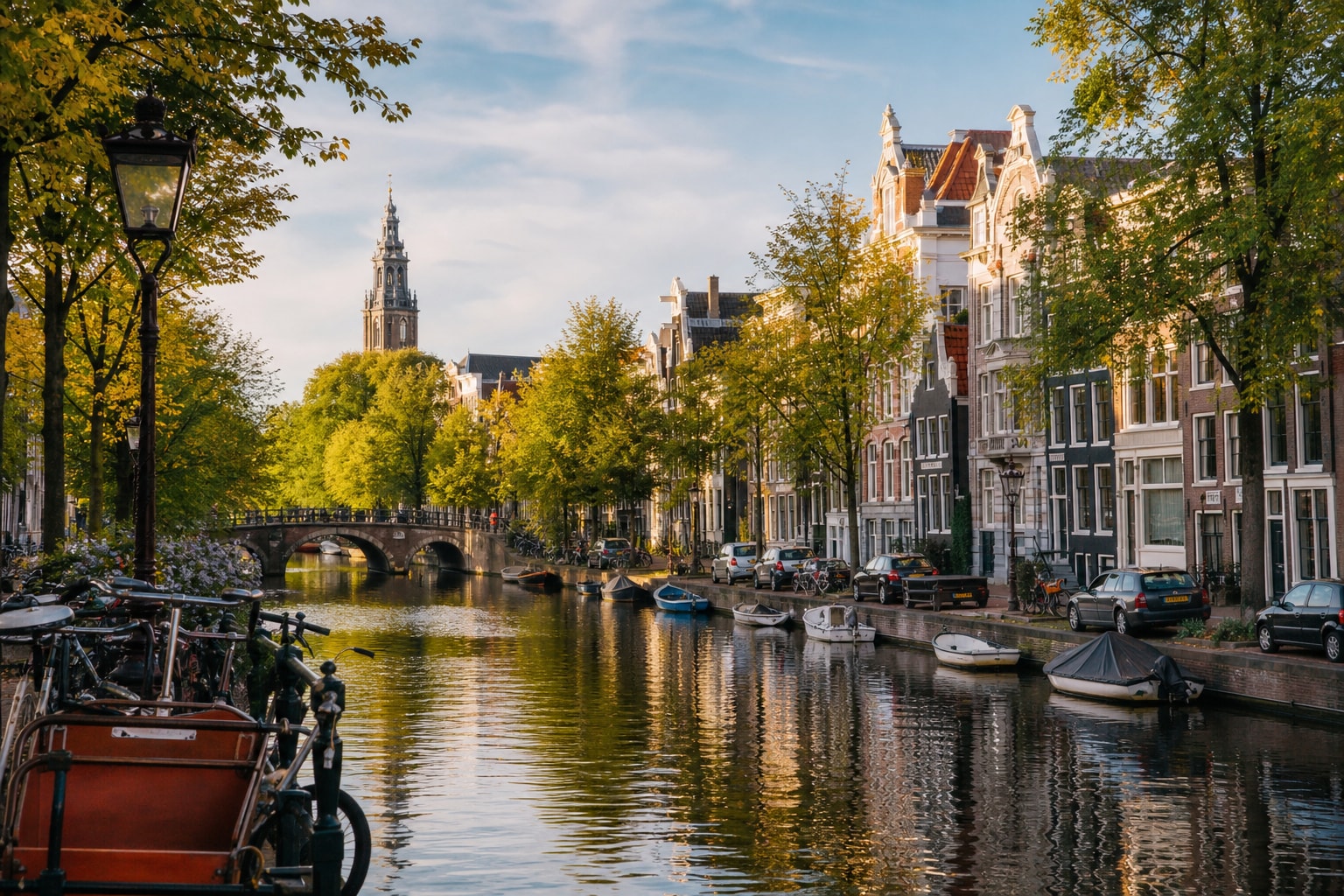
The three main canals—Herengracht, Keizersgracht, and Prinsengracht—form concentric belts around the city center. These waterways are lined with narrow, deep houses that often feature ornate gables and large windows. The district is so significant to global architecture and urban planning that it was added to the UNESCO World Heritage List, recognized for its gentle character and beautifully structured design.
Golden Age Engineering
From Defense to Prosperity
In medieval times, the canals served a practical purpose as a defense mechanism to keep the city safe from invaders. As Amsterdam’s trade influence grew during the 17th century, the city underwent a massive expansion. The canals were transformed into a sophisticated network for water management and the transport of goods, facilitating the city's rise as a global commercial hub.
The construction of the canal ring was a feat of hydraulic engineering, requiring the drainage of swampland and the installation of thousands of wooden piles to support the heavy stone houses. This era saw the creation of the 'Golden Bend' on the Herengracht, where the wealthiest merchants built their most prestigious residences, many of which still stand today as monuments to the city's prosperous past.
Must-See Features
Icons of the Waterway
Architecture
The Golden Bend
Located on the Herengracht, this stretch features the most prestigious and widest canal houses in the city, showcasing the peak of Golden Age wealth and architectural ambition.
Culture
Houseboat Living
The canals are home to thousands of residents living on houseboats. Some serve as permanent residences with floating gardens, while others have been converted into museums for visitors.
Engineering
Arched Bridges
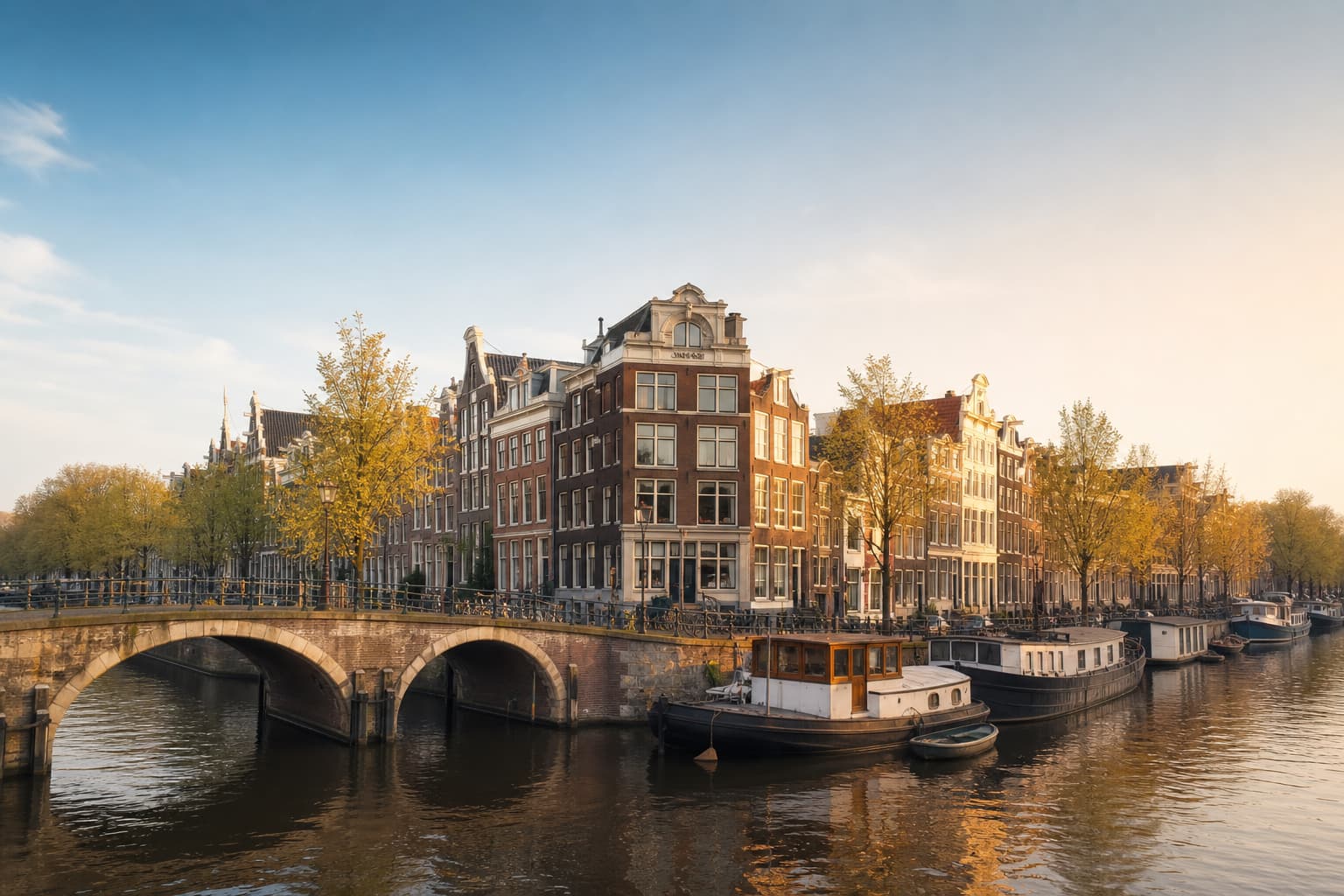
Amsterdam is famous for its numerous stone bridges. A popular spot is the intersection of Reguliersgracht and Herengracht, where you can see multiple bridges lined up in a row.
Seasonal Spirit
Life on the Water
August
Grachtenfestival
A 10-day festival in August featuring classical music performances held on and along the canals, including open-air concerts at various historic landmarks.
Summer
Active Exploration
During warmer months, the canals become a playground for locals and visitors alike. Beyond traditional cruises, SUP boarding has become a popular way to navigate the water.
Year-Round
Canal Cruises
A canal cruise is a staple experience. Many tours offer historical commentary, while the I amsterdam City Card often includes a complimentary cruise as part of its benefits.
Visual Journey
Capturing the Grachtengordel
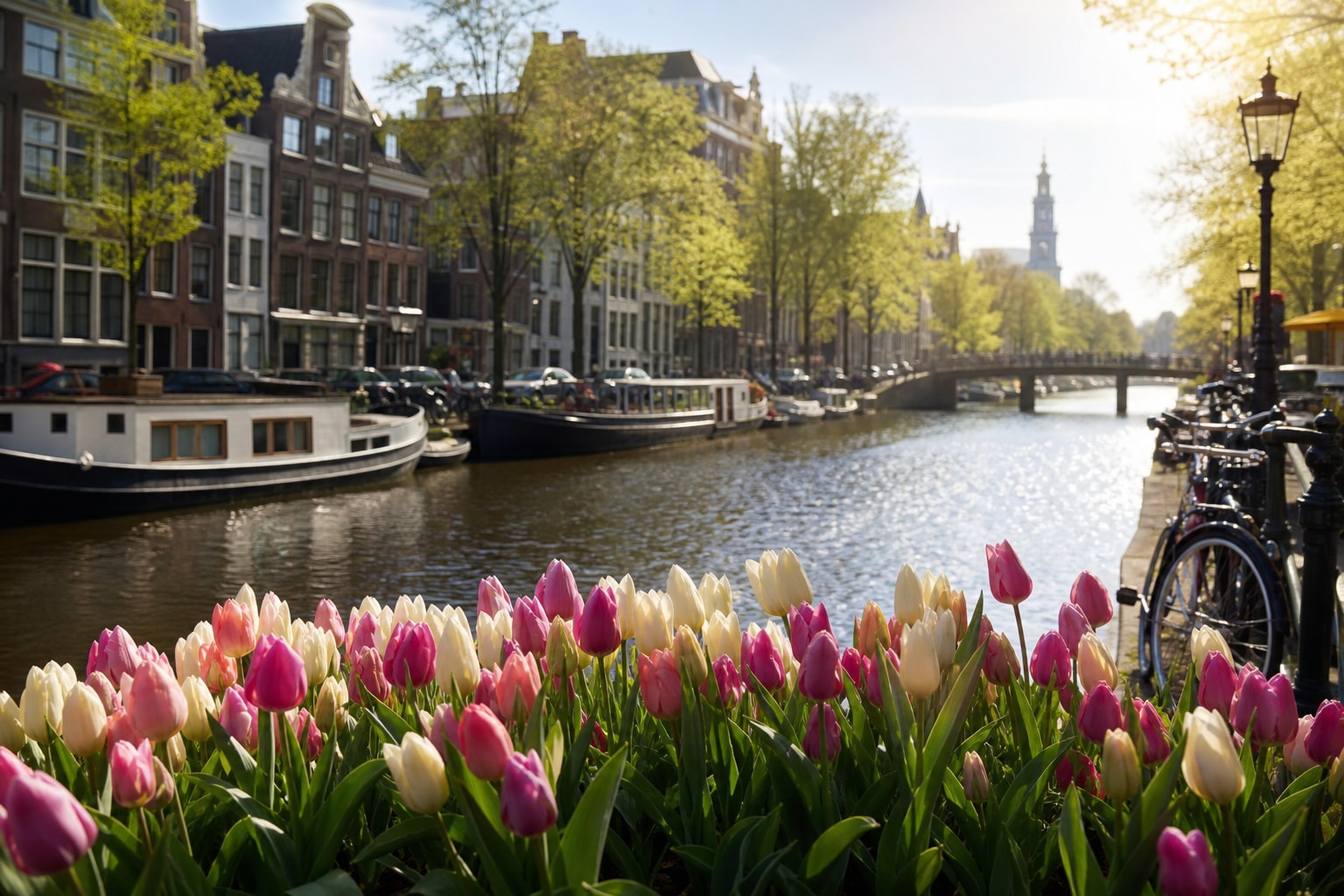
The canals offer endless photographic opportunities, from the reflections of gabled houses in the water to the vibrant atmosphere of canal-side terraces. The Museum of the Canals (Het Grachtenhuis) at Herengracht 386 provides a deep dive into this visual history through period rooms and historical paintings.
Visitor Info
Planning Your Visit
The canal district is best explored on foot or by boat. Most major attractions, including the Rijksmuseum and the Anne Frank House, are located along or near the main canals. For those interested in the technical history of the waterways, the Museum of the Canals offers interactive exhibits.
Museum of the CanalsLocation
Museum of the Canals
Found at Herengracht 386, this museum is situated in the heart of the canal district and serves as the primary resource for learning about the area's history.
Savings
City Card Benefits
The I amsterdam City Card provides access to various canal-related attractions and typically includes a standard canal cruise in its offerings.
Bookable experiences
Experiences around Canals of Amsterdam.
Some links may earn Amsterdam Explorer a commission, at no extra cost to you. The booking content appears only after you accept optional content.
Getting There
Navigating the Ring
The canal ring is easily accessible from Amsterdam Centraal Station. Visitors can walk directly into the district or take various tram lines that cross the major canals. Many canal cruise operators depart from docks located immediately outside the main station entrance.
Common Questions
Frequently Asked Questions
What are the three main canals in Amsterdam?⌄
The three primary canals that form the historic canal ring are the Herengracht, Keizersgracht, and Prinsengracht.
Why are the canals a UNESCO World Heritage site?⌄
They are recognized for their unique 17th-century urban planning, hydraulic engineering, and the preservation of historic architecture.
Can you visit a houseboat on the canals?⌄
Yes, there are specific houseboats converted into museums, such as the Houseboat Museum, where visitors can see what life is like on the water.
Explore More
Nearby Landmarks
Canals & Cruises · Amsterdam
Prinsengracht
The longest and most vibrant of Amsterdam's historic waterways, Prinsengracht is a living gallery of Golden Age architecture, bustling houseboats, and world-renowned monuments.
Read the guide