NeighbourhoodJodenbuurt (Jewish Quarter)
Historic Artist Studio
Rembrandt House Museum
Walk through the rooms where Rembrandt van Rijn painted his masterpieces and taught the next generation of Dutch masters.
Best forArt history and 17th-century interiors
Plan for1.5 to 2 hours
Worth knowingThe museum holds almost all of Rembrandt's etchings.
At Home with a Master
The House Where History Was Painted
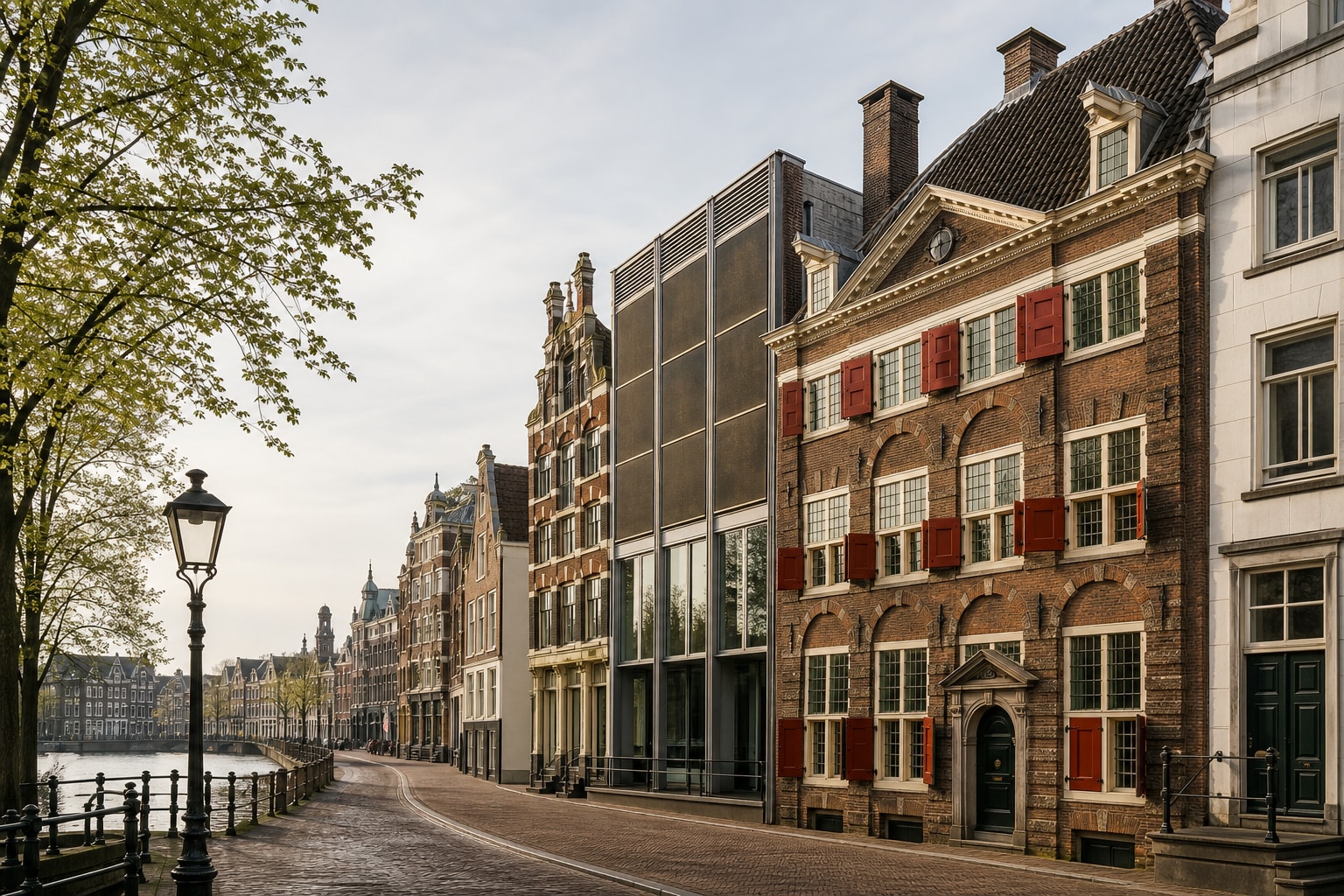
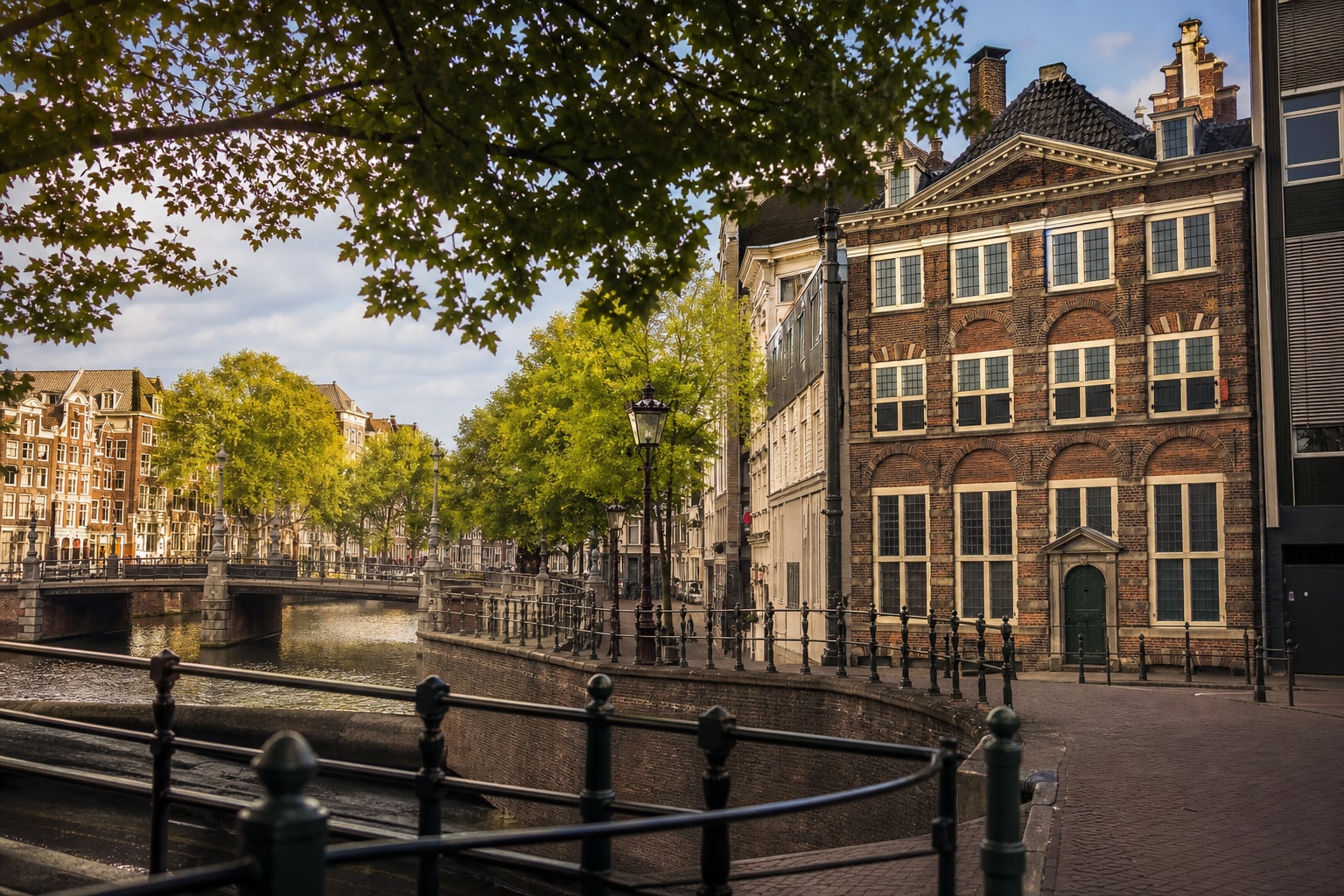
The Rembrandt House Museum is situated in the Jodenbreestraat, in a building that dates back to 1606. Rembrandt van Rijn purchased this grand townhouse in 1639 at the height of his success. He lived and worked here for nearly twenty years, creating some of his most famous works within these walls before financial difficulties forced him to sell the property and its contents in 1658.
Today, the museum serves as a meticulously reconstructed time capsule. Using an inventory list created during Rembrandt’s bankruptcy, curators have restored the interior to its 17th-century glory. Visitors can see the artist's living room, his small office, and the large studio where he painted and mentored students. The museum also features a modern wing that houses temporary exhibitions and a world-class collection of Rembrandt's graphic works.
Golden Age Legacy
From Grandeur to Bankruptcy
When Rembrandt bought the house in 1639, it was one of the most prestigious addresses in the city. The building was originally constructed in 1606 and later renovated with a third floor and a classicist cornice, reflecting the wealth of the Dutch Golden Age. Rembrandt’s residency coincided with his most productive years, but his lavish lifestyle and art collecting eventually led to financial ruin.
In 1656, Rembrandt was declared insolvent, and an inventory of his possessions was drawn up for the Chamber of Insolvent Estates. This document proved invaluable centuries later, allowing historians to identify exactly which objects and furniture belonged in each room. The house was eventually converted into a museum in the early 20th century, preserving the site where the master once walked.
The museum underwent a major renovation and expansion in the late 1990s. A new wing was added to provide space for the museum's growing collection and modern facilities, while the original house was returned to its state as a 17th-century residence and workshop.
Inside the Museum
What to See
The Studio
The Large Painting Room
Step into the light-filled room where Rembrandt painted his large-scale canvases. The studio is arranged with period-accurate easels, canvases, and the natural pigments the artist used to create his signature colors.
Graphic Art
The Etching Collection
The museum owns one of the most important collections of Rembrandt's etchings in the world. Visitors can see the intricate details of his printmaking and learn about the techniques that made him a master of the medium.
Curiosity Cabinet
The Collector's Room
Rembrandt was an avid collector of exotic objects, shells, weaponry, and plaster casts. The reconstructed 'Kunstkamer' displays the types of items that inspired his work and contributed to his financial downfall.
Visitor Experience
The Museum Flow
Morning
Quiet Exploration
Start your visit in the historic house to appreciate the domestic atmosphere before the midday crowds arrive. The narrow staircases are easier to navigate during quieter hours.
Midday
Demonstrations
Check the daily schedule for live demonstrations. The museum frequently hosts sessions showing how 17th-century paint was mixed or how etchings were printed using a traditional press.
Afternoon
Modern Wing
Spend the latter part of your visit in the modern wing, which hosts rotating exhibitions focusing on Rembrandt’s influence, his contemporaries, and modern artists.
Visual Journey
A Glimpse of the 17th Century
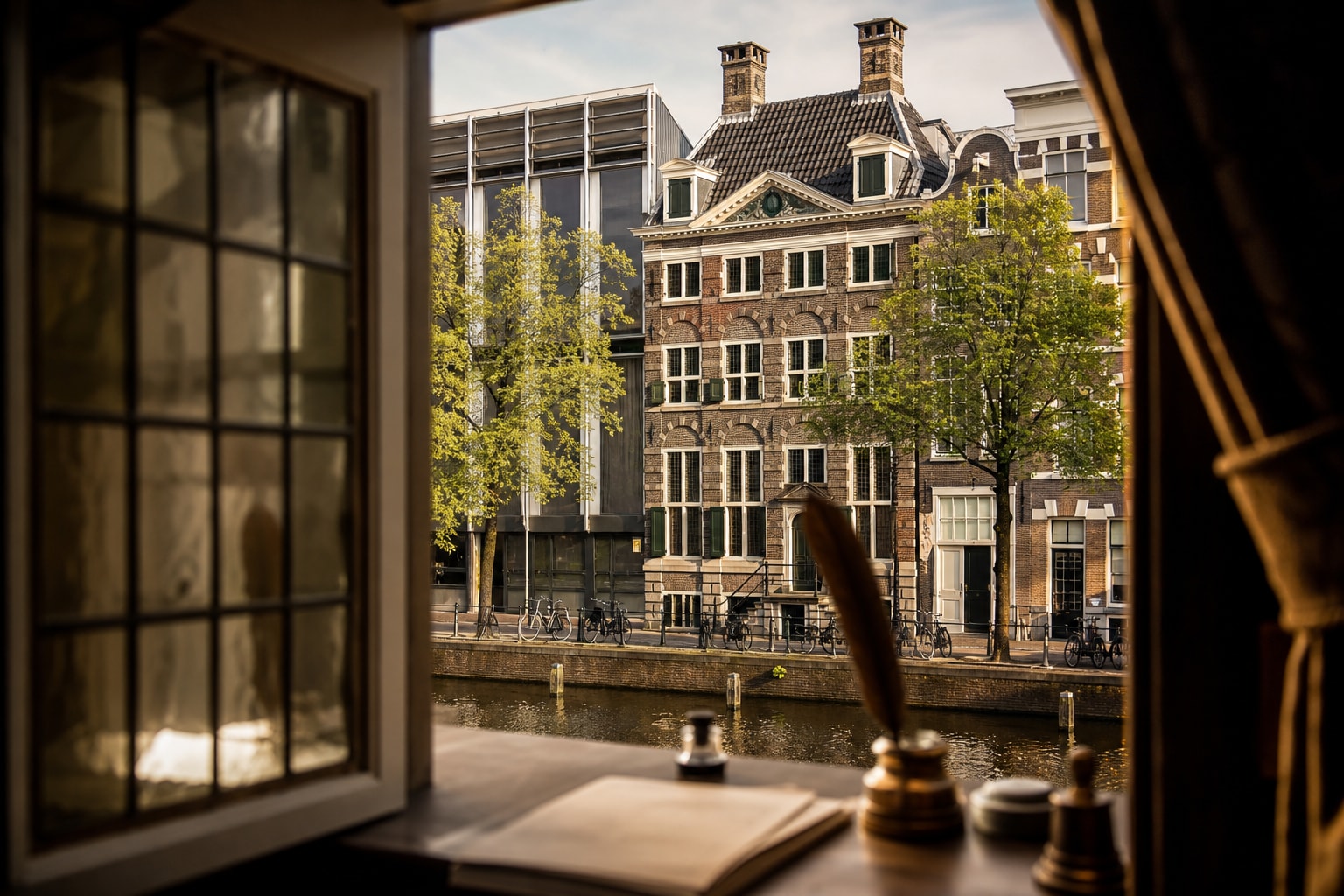
The museum's interior is a masterclass in historical reconstruction. From the box beds in the living quarters to the rows of pigments in the studio, every detail is designed to transport visitors back to the Dutch Golden Age. The contrast between the domestic spaces and the professional workshop highlights the dual nature of the building as both a family home and a busy art factory.
Plan Your Visit
Essential Information
The Rembrandt House Museum is a popular destination, and it is recommended to check the official website for the latest information on exhibitions and special activities. The museum includes a shop with a wide range of Rembrandt-themed merchandise and art books.
Official websiteFamilies
Visiting with Children
The museum offers educational activities and materials specifically designed for families to engage children with Rembrandt's life and art.
Groups
Group Visits
Special arrangements can be made for group visits and educational tours. It is best to contact the museum in advance for travel trade or large group bookings.
Bookable experiences
Experiences around Rembrandt House.
Some links may earn Amsterdam Explorer a commission, at no extra cost to you. The booking content appears only after you accept optional content.
Getting There
Location and Transport
The museum is located at Jodenbreestraat 4, near the Waterlooplein in central Amsterdam. It is easily accessible by public transport, with several tram and metro lines stopping nearby. The area is also a short walk from other major landmarks like the Zuiderkerk and the Waterlooplein Market.
Common Questions
Frequently Asked Questions
Are there original Rembrandt paintings in the house?⌄
While the museum focuses on his life, studio, and etchings, it also hosts temporary exhibitions that often feature original paintings by Rembrandt and his pupils.
Is the furniture original to Rembrandt?⌄
The furniture is not original to Rembrandt, as his possessions were sold at auction in 1658. However, the rooms have been furnished with authentic 17th-century pieces that match the 1656 inventory list.
Can I see how etchings are made?⌄
Yes, the museum regularly holds etching demonstrations in the print room, showing the process of inking and printing using a traditional press.
Explore More
Nearby Attractions
Museums & Art · Museumplein
Rijksmuseum
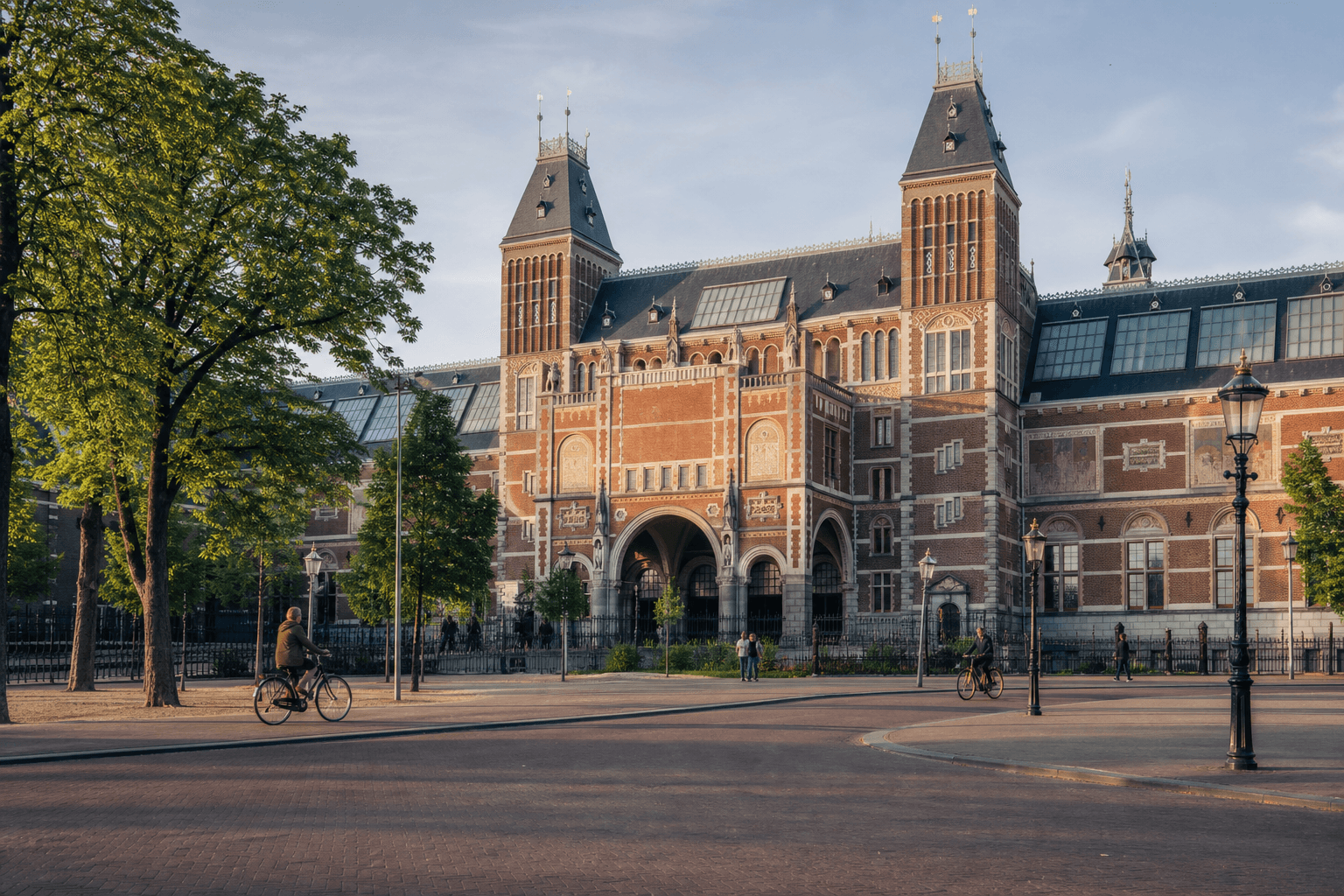
Home to over 8,000 masterpieces, the Rijksmuseum tells the story of 800 years of Dutch art and history within one of Amsterdam's most iconic buildings.
Read the guide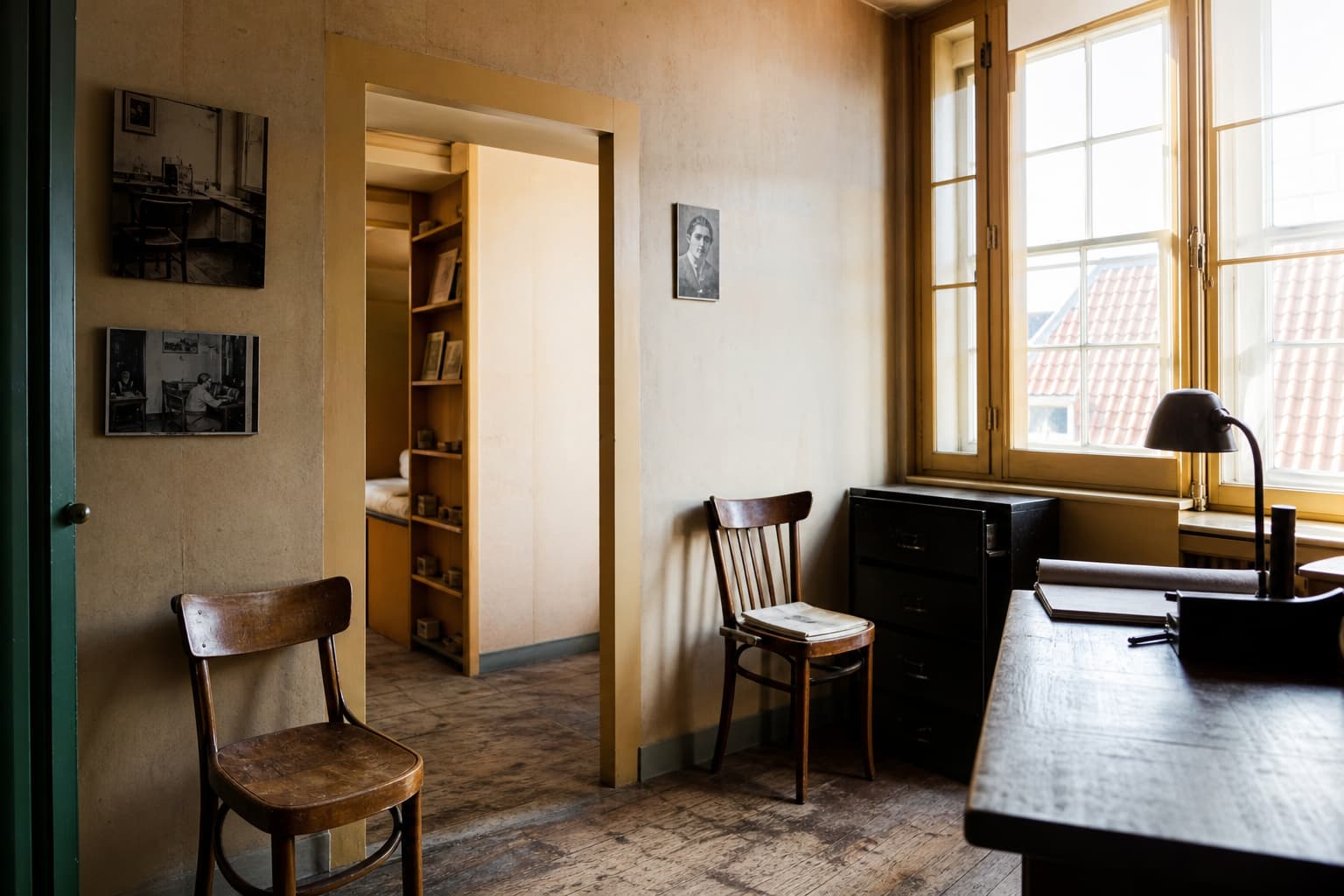
Museums & Art · Jordaan
Anne Frank House
Step into the quiet, preserved hiding place where Anne Frank wrote her diary and learn about the resilience of the human spirit.
Read the guide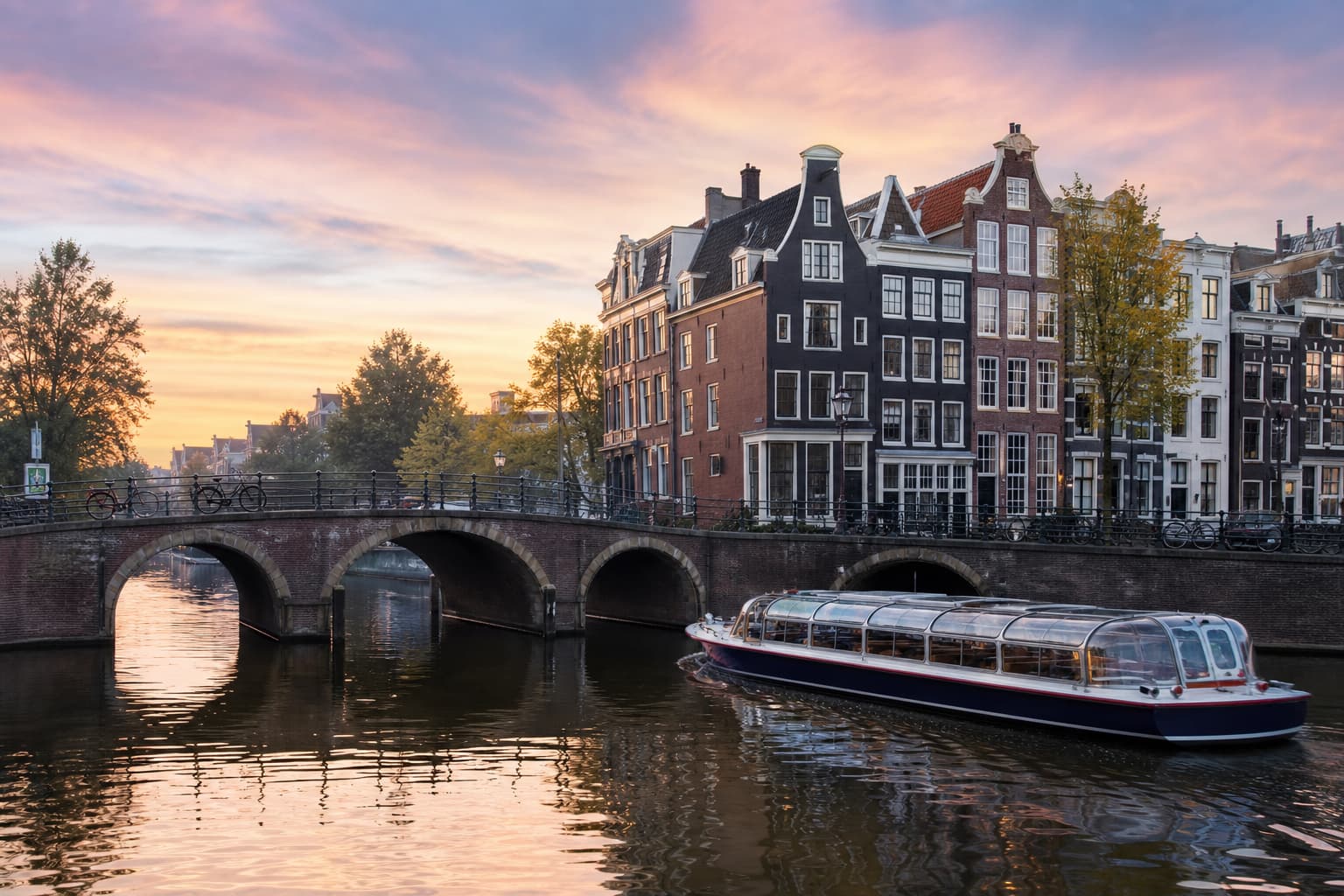
Canals & Cruises · Canal Ring
Canals of Amsterdam
A masterpiece of 17th-century urban planning, Amsterdam’s canal ring is a labyrinth of historic waterways, elegant bridges, and iconic gabled houses that define the soul of the Dutch capital.
Read the guide